The interpretation uses natural trumpets without finger holes to achieve a noble and nuanced sound, contributing to the clarity of the voice leading and sung words.
Composition History
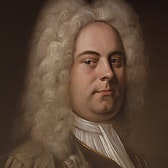
George Frideric Handel composed his oratorio Messiah in just three weeks, between late August and mid-September 1741, at the age of 56.
Compositional Technique
Handel's Messiah uses a notably restrained orchestration, featuring a small soloist ensemble, strings, two oboes, one bassoon, two trumpets, timpani, harpsichord, and organ.
Composition History
Charles Jennens, the author of the Messiah libretto, also wrote the libretti for Handel's oratorios Saul, Belshazzar, and likely Israel in Egypt.
Interpretation
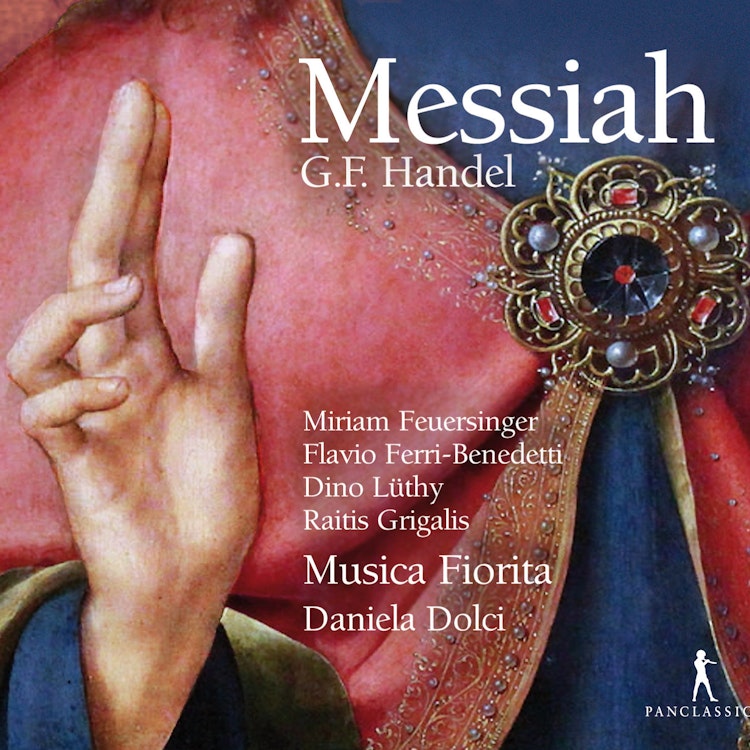
This recording by Daniela Dolci and Musica Fiorita uses a deliberately small ensemble, including two ripienists per voice for the choir and a varied continuo group, to achieve a nuanced sound.
Composer's Artistic Vision
The Messiah libretto, compiled by Charles Jennens, aimed to prove the messianic pre-determination of Jesus from within the Bible, using passages from both the Old and New Testaments.
Interpretation
This recording incorporates historical performance practices, such as the use of chest voice in alto arias, based on instructions from Baroque singing teachers like Pier Francesco Tosi and Giambattista Mancini.
You might also enjoy...
Händel/Mozart: Der Messias
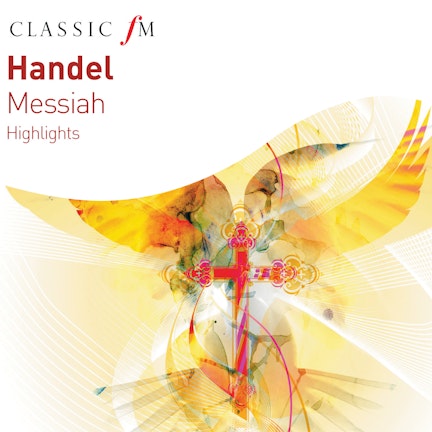
Handel : Messiah Highlights
Handel: Messiah, HWV 56
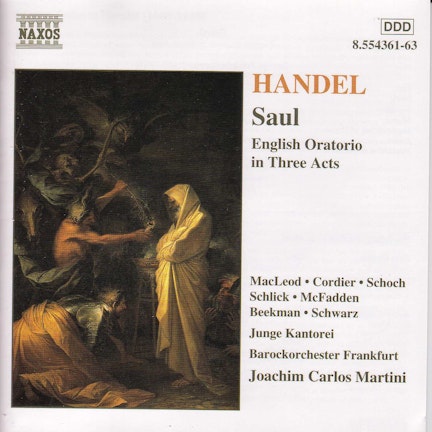
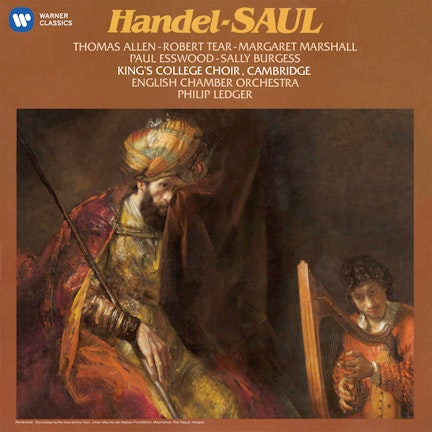
Handel: Saul
Handel: Theodora, HWV 68 (Live)
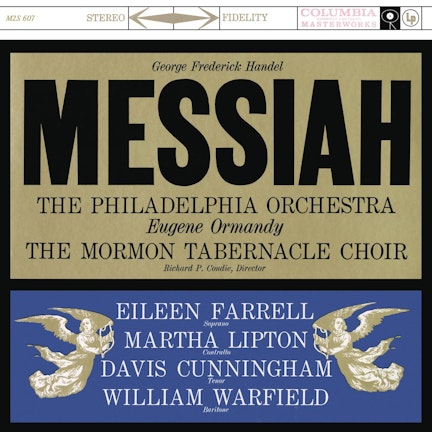
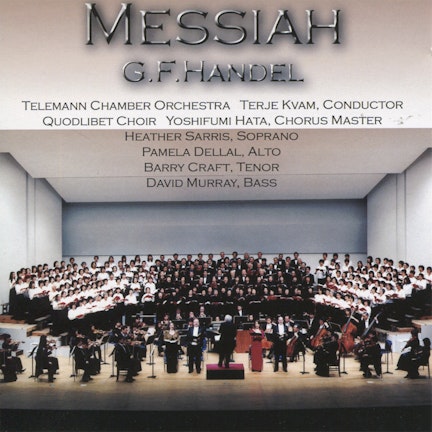
Handel: Messiah
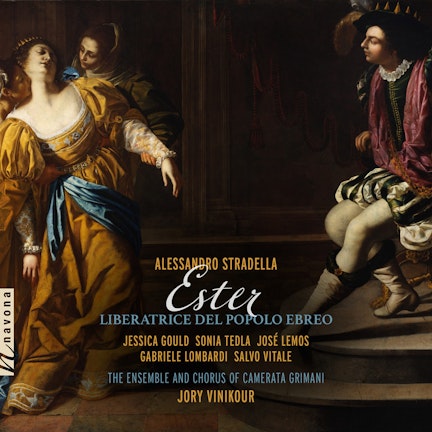
Ester, Liberatrice del Popolo Ebreo
Handel: Saul, HWV 53
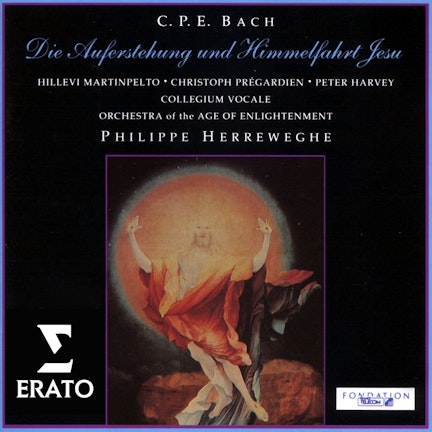
C.P.E. Bach: Die Auferstehung und Himmelfahrt Jesu Wq 240