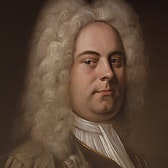
Handel considered the oboe his favorite instrument, stating, "I composed like a devil, especially for the oboe."
Composer Biography
George Frideric Handel, born in 1685, initially pursued law at his father's insistence, even becoming an interim organist at Halle cathedral while studying.
Instruments
The organ used in this recording is a Karl Wilhelm organ from 1999, featuring 3 manuals, 42 stops, and Bach-Kellner temperament.
Compositional Technique
The rare combination of oboe and organ in this recording creates a unique sound, allowing the oboe's suavity to shine while the organ provides an orchestral warmth.
Composition History
Handel's oboe sonatas, including those on this album, were written in his youth for a society of oboists founded around 1700 by Michael Hyntzsch and his son Johann Georg.
Composer's Artistic Vision
Handel transitioned from the contrapuntal tradition of Protestant central Germany to embrace the melodic Italian art of bel canto, becoming a leading practitioner despite his background.
Interpretation
On this recording, the vocal line in Handel's German Songs is performed on the violin, creating a trio sonata texture and reflecting Baroque transcription practices.
You might also enjoy...
Takako Nishizaki Plays Suzuki Evergreens, Vol. 6
Via Crucis
Ensemble Flatterie: Live (14 Golden Hits, 1228-1767)
Europa Cantat
Passaggio: Eine barocke Alpenüberquerung
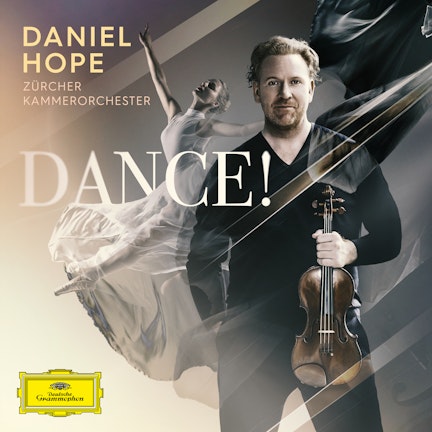
Dance!
Mozart, L.: Divertimento, "Die Bauernhochzeit" / Salulini, P.: Concerto for Dulcimer and Harpsichord in G Major
Magic Oboe
Metamorphosis - Greek Musical Traditions Across the Centuries