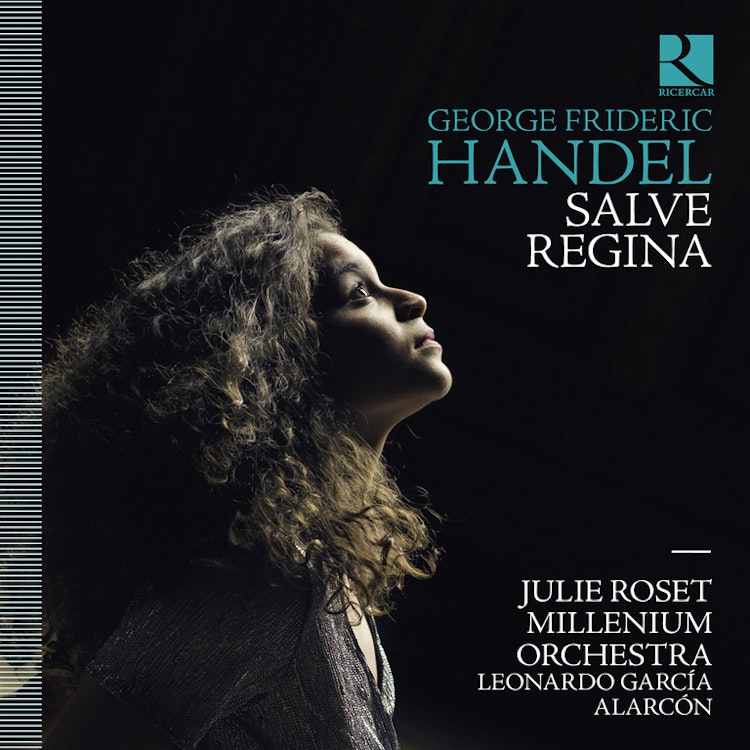
This recording was made in September 2021 at the Namur Concert Hall (Grand Manège) and was supported by the Fédération Wallonie-Bruxelles.
Historical Context
During Handel's time in Rome, opera performances were forbidden by a decree of Pope Innocent XI in 1677, so Handel adapted by composing secular cantatas and sacred works.
Composer Biography
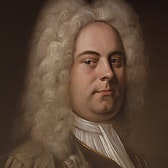
George Frideric Handel's "Italian period" (1706-1710) was decisive in shaping his style and played an important role in his later move to Great Britain.
Critical Reception
The attribution of Handel's Gloria was initially dubious, but Professor Joachim Marx definitively authenticated it in 2001, despite it being known to some specialists earlier.
Cultural Impact
Korean music education manuals at the end of the last century suggested that if Bach was the father of music, Handel was its mother, due to his ability to connect with many people.
Composition History
The Salve Regina, an antiphon to the Virgin, was commissioned by Cardinal Colonna and likely premiered in the Basilica of Santa Maria in Montesanto, home of the Carmelite Order.
Compositional Technique
Handel, like many Baroque composers including Bach, frequently engaged in self-plagiarism, sometimes even borrowing material from colleagues without acknowledgement.
You might also enjoy...
Handel: Ode for the Birthday of Queen Anne
Handel: Salve Regina / Trio Sonata in G Minor / Laudate Pueri
Handel in Italy Vol. 2
Magnificat
Schütz: The Christmas Story & Other Works
A German in Venice
Vidaldi: Juditha Triumphans, RV 644
Georg Friedrich Händel: Italian Cantatas & Arias
Handel & Companye
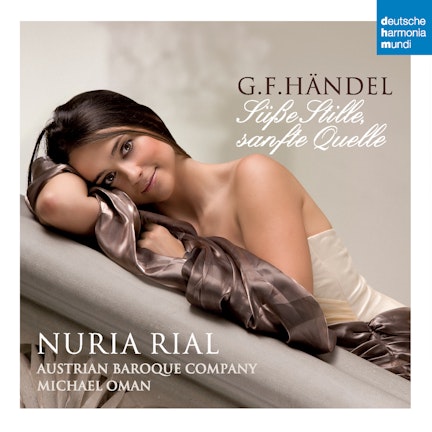
Händel: Süße Stille, sanfte Quelle
Mondonville: Pièces de clavecin avec voix ou violon, Op. 5