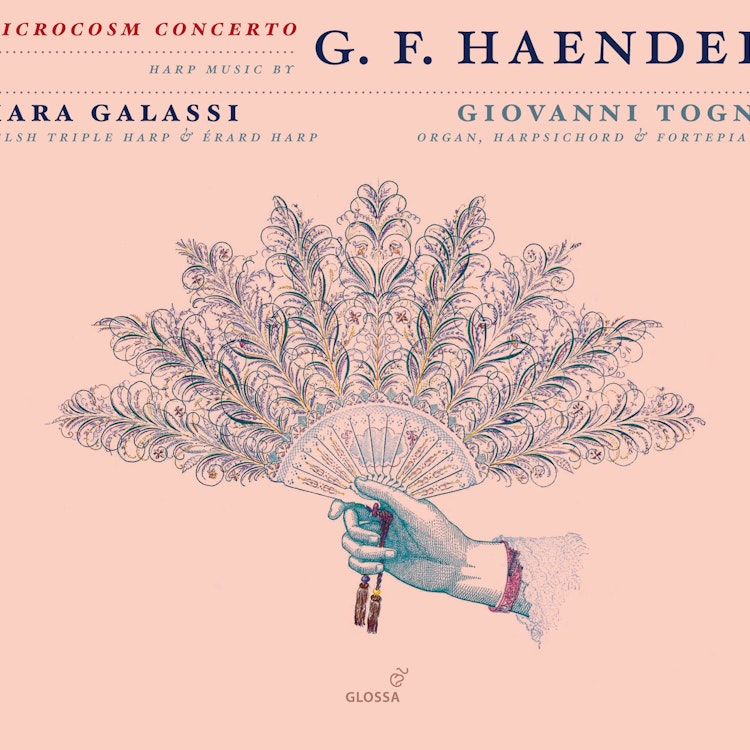
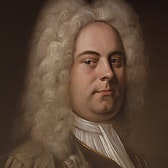
Handel's interest in the harp may have stemmed from his exposure to harps in Italy and to the 'Davidsharfe' (a double harp) in Germany, as well as encounters with Welsh harp virtuosos in England.
Critical Reception
A Viennese publisher, Artaria, falsely attributed a 'Pastorale et Thême avec Variations' to Handel in the early 19th century, which generations of harpists happily played believing it to be his work.
Instruments
The album features performances on three different harps: a Welsh triple harp, an Érard pedal harp from 1816, and a fortepiano from 1798.
Composition History
Handel wrote the aria 'Tune your harps to cheerful strains' for his first English oratorio, Esther (1718), after meeting Welsh harpist Thomas Jones.
Cultural Impact
Handel's Harp Concerto (op 4 no 6) was originally part of his oratorio Alexander's Feast, which celebrates the power of music on Saint Cecilia's Day.
Historical Context
More than 50 years after Handel's death, his music remained popular in Wales, where harpists continued to perform his works.
Notable Performances
William Powell, harpist to the Prince of Wales, was the first soloist for Handel's famous Harp Concerto, op 4 no 6, in 1736.
You might also enjoy...
Somis: Sonatas for Cello & Continuo
Befiehl du deine Wege Variation (After Matthäuspassion, BWV 244, No. 53: Befiehl du deine Wege) [Arr. for Violin & String Quintet by Tim Allhoff]
Lakmé: Flower Duet (Arr. for Violin and Strings by Vivan & Ketan Bhatti)
Schmelzer: Sonatae a violino solo
Selle, T.: Jesus Christus Unser Heiland Der Von Uns Den Gotteszorn Wandt / Schop, J.: Ich Ruff Zu Dir, Herr Jesu Christ