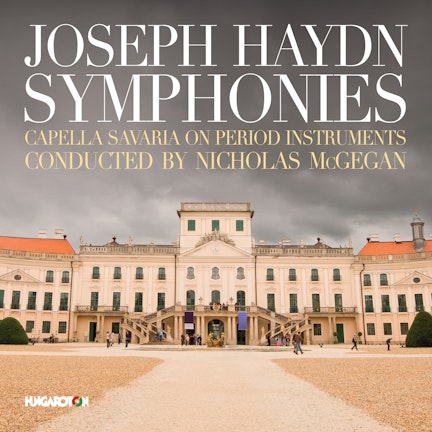
Haydn's employer, Prince Esterházy, known as 'the lover of pomp and ceremony', maintained a first-class orchestra at Esterházy Palace, where even Empress Maria Theresia was a guest.
Interpretation
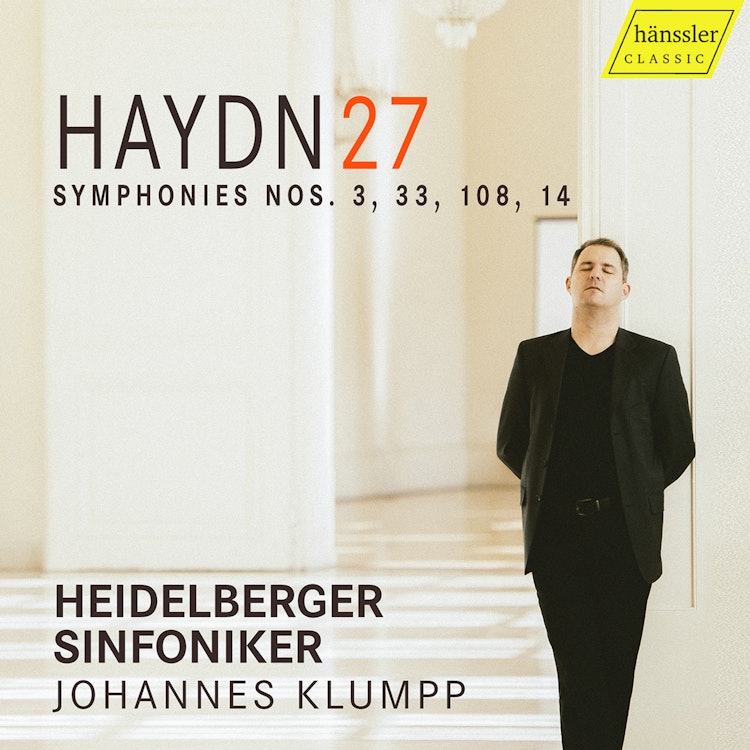
The Heidelberger Sinfoniker are known as a leading historically informed orchestra for the Classical and early Romantic periods.
Composition History
The numbering of Haydn's symphonies was done posthumously and is unreliable for his early years; for example, Symphony No. 3 was likely his 17th.
Instruments
The Heidelberger Sinfoniker use valveless, narrow-bore, classical horns for this recording, on which some notes can only be produced by hand-stopping.
Compositional Technique
In Symphony No. 108, Haydn gives the bassoon an unprecedented solo, allowing the instrument to take center stage despite its typically supporting role.
Performer Biography
Johannes Klumpp, the conductor, is the Artistic Director of the Heidelberger Sinfoniker and is recognized as an expert in historical performance practice.
Compositional Technique
Haydn's Symphony No. 3 features a fugal finale, a landmark compositional choice made long before Mozart's Jupiter Symphony.
You might also enjoy...
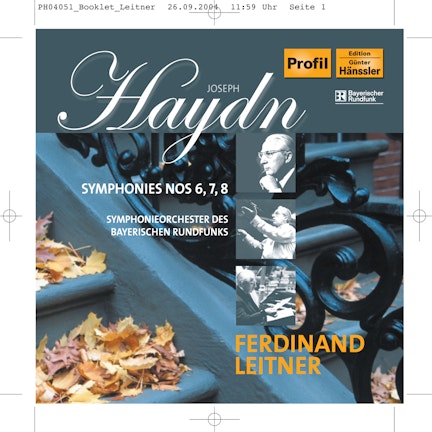
Haydn: Symphonies Nos. 6-8
Haydn: Symphonies Nos. 79, 80 & 81
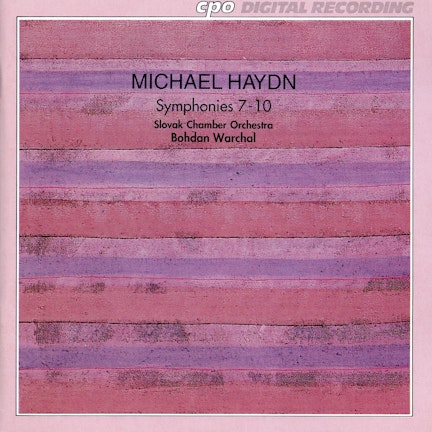
Haydn: Symphonies Nos. 7-10
Mozart 225: Complete Symphonies
Mozart: Symphonies Nos. 38 & 39
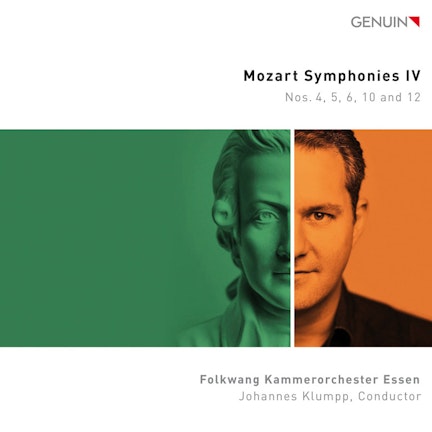
Mozart Symphonies IV – Nos. 4, 5, 6, 10, and 12
Carl Philipp Emanuel Bach: Vier Orchester-Sinfonien
Pieter Van Maldere: Sinfonie
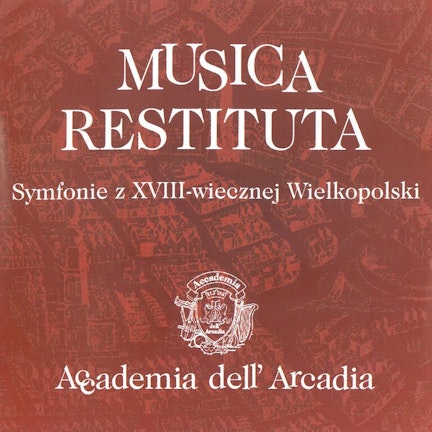
Accademia dell' Arcadia - Musica Restituta: Symphonies from the 18th-century Greater Poland (Symfonie z XVIII-wiecznej Wielkopolski)