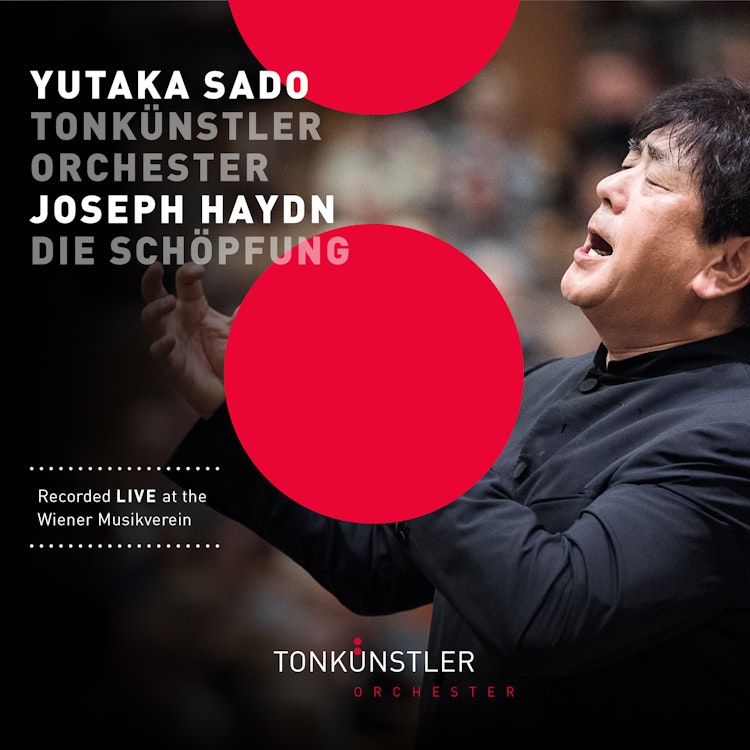
Haydn's "The Creation" features numerous imitations of natural sounds and phenomena, such as stormy winds, thunder, lightning, and various animal calls, which were specifically requested by the librettist van Swieten.
Compositional Technique
Van Swieten's libretto for "The Creation" was deliberately designed to be bilingual from the outset, with an English version that quotes the King James Version of the Bible and a German version adapted to match its emphasis and syllable count.
Historical Context
Haydn's oratorios were heavily influenced by George Frideric Handel's oratorios, particularly "Messiah," which Haydn witnessed performed by over 1,000 musicians in Westminster Abbey.
Composition History
Baron Gottfried van Swieten, an influential Austrian civil servant and music enthusiast, provided Haydn with the libretto for "The Creation," adapting it from various sources including the Book of Genesis and John Milton's "Paradise Lost."
Composition History
Joseph Haydn's oratorio "The Creation" was composed between 1796 and 1798 and was an immediate success, remaining one of the most popular sacred oratorios.
Critical Reception
The premiere of "The Creation" in Vienna in 1798 caused such a sensation that the audience was left breathless, particularly by the 'Let there be light' passage, which was described as a 'thundering Big Bang' or 'lightning flash of reason.'
Composer's Artistic Vision
The libretto for "The Creation" reflects a liberal, enlightened absolutist view of the Creation narrative, celebrating humanity and largely omitting the Fall of Man, aligning with Masonic ideas shared by Haydn and van Swieten.
You might also enjoy...
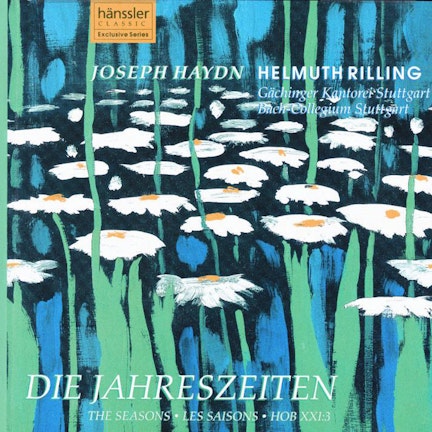
Haydn: Die Jahreszeiten
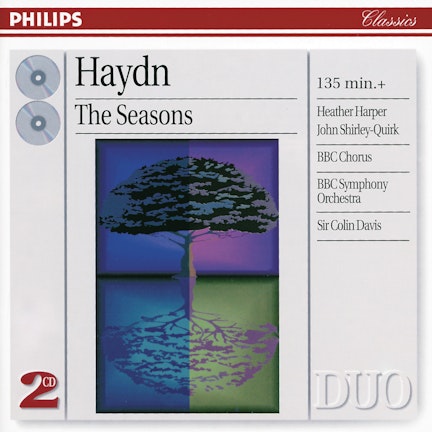
Haydn: The Seasons, Hob.Xxi:3
Haydn: Die Schöpfung
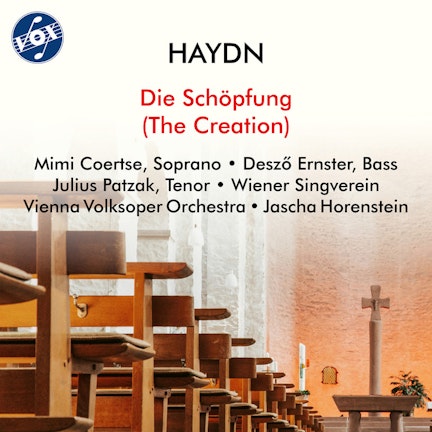
Haydn: Die Schöpfung (The Creation)
Haydn: Die Schöpfung
Haydn: Die Schöpfung (Excerpts)
Haydn: Die Schöpfung
Haydn: Die Schöpfung - Sung in German [The Creation]