Haydn's first and last compositions were Mass settings, reflecting the unique role sacred music played in his musical development.
Historical Context
Haydn's musical output was closely tied to the needs of his patrons, such as the Esterházy court, where he served as Kapellmeister.
Composition History
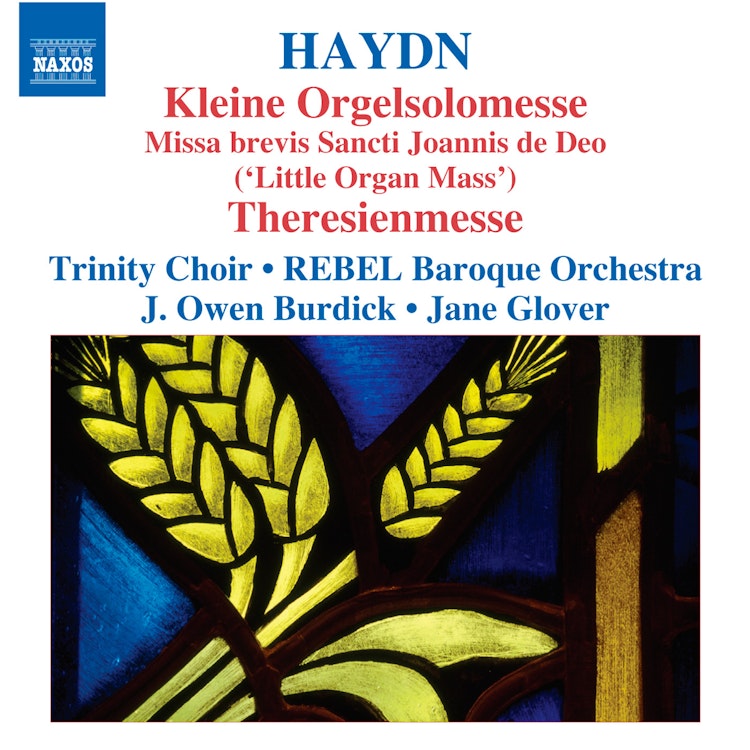
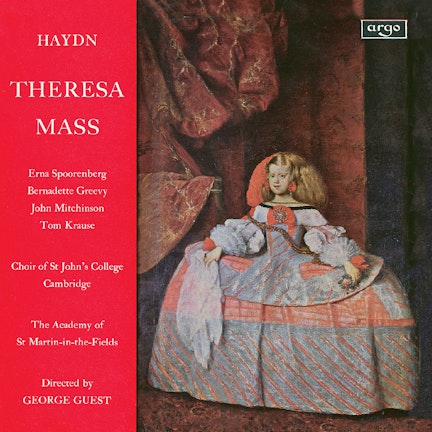
The 'Theresienmesse' was named after the belief that it was written for Marie Therese, wife of Emperor Francis II, who was an avid collector of Haydn's music.
Critical Reception
Some of Haydn's contemporaries criticized his late Masses as "too cheerful to be sacred," finding their lively tempos more suitable for the dance hall.
Composer's Artistic Vision
Haydn believed his compositional process and artistic inspiration were linked to spirituality, often praying with his rosary when composing.
Compositional Technique
In the 'Kleine Orgelsolomesse', Haydn shortens the lengthy Gloria and Credo sections by setting lines of text simultaneously, a technique typical of a missa brevis.
Composition History
The Missa brevis Sancti Joannis de Deo, or 'Kleine Orgelsolomesse', was intended for the church of the Barmherzige Brüder (Order of St John of God) in Eisenstadt, an order known for its medical abilities and belief in music's healing powers.
You might also enjoy...
Schubert: Mass No. 3 and German Mass
Beethoven: Missa Solemnis / Mozart: Coronation Mass
Beethoven: Missa Solemnis / Mozart, W.A.: Krönungsmesse - Coronation Mass - Messe du Couronnement
Mozart Masses, Vol. 2
Beethoven: Missa Solemnis / Mozart: Coronation Mass
Mozart: Mass in C minor, K.427
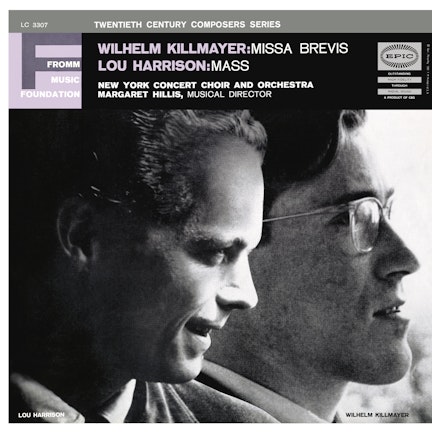
Killmayer: Missa Brevis - Harrison: Mass
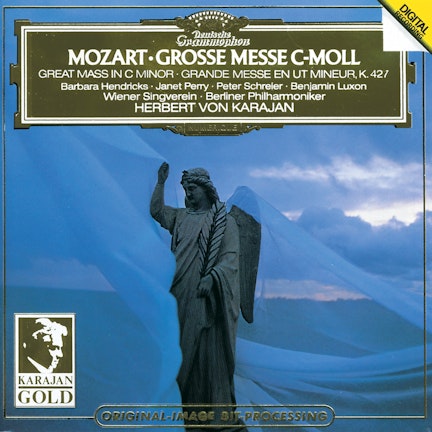
Mozart: Great Mass in C minor K.427
Mozart: Great Mass in C Minor "Grosse Messe"
Haydn: Mass No.12 "Theresienmesse"
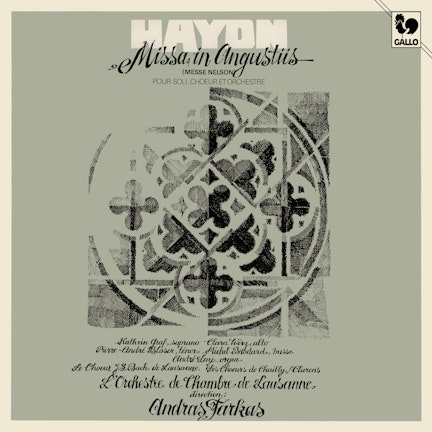
Haydn: Missa in Angustiis "Nelson Mass" (Live)
Haydn: Missa brevis (1805 revision) - Creation Mass