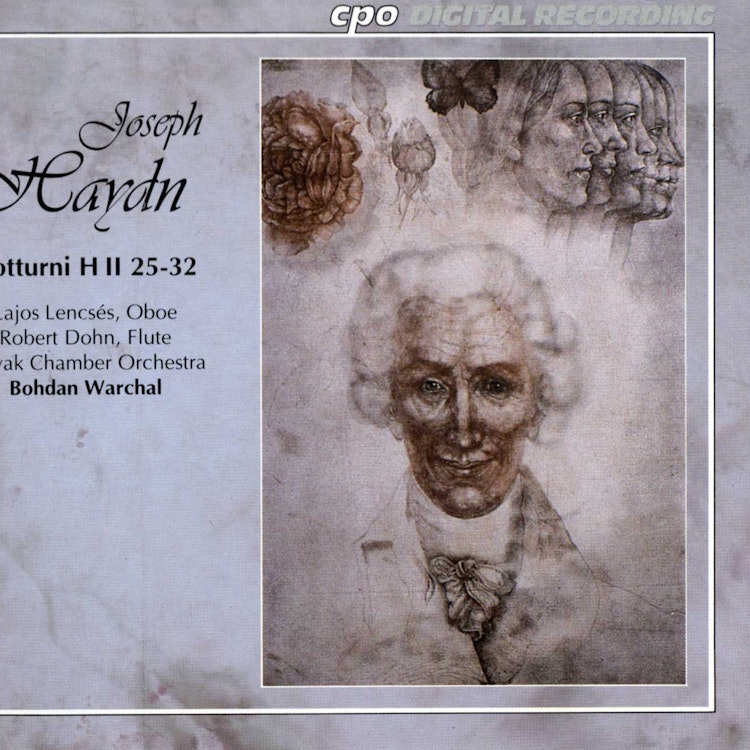
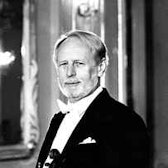
Joseph Haydn, born in 1732, came from a large family and his first musical impressions were shaped by folk music performed at home by his harp-playing father and singing mother.
Composer's Artistic Vision
Haydn's long-term position as music director for Prince Esterhazy allowed him to experiment and develop his unique compositional style, leading him to state, "I was removed from the world; and so I had to become original."
Composer Biography
After his voice broke, Haydn was left to support himself in Vienna by performing dance music, taking odd jobs, and giving lessons, during which time he taught himself compositional techniques.
Notable Performances
Some of these Notturni were performed at the famous Salomon concerts in London during Haydn's trips to England, where he had an "English version" in mind for public audiences.
Composition History
Haydn cleverly adapted the Notturni for public performance by replacing the "lira organizzata" parts with flute and oboe, a change that reflects his own artistic will.
Instruments
The "lira organizzata," for which these Notturni were originally composed, was a curious instrument resembling a guitar with hurdy-gurdy-like strings and small organ pipes activated by a crank.
Composition History
The Notturni were commissioned by Ferdinand IV, the King of Naples and Sicily, who was a passionate hunter and played a now-forgotten exotic instrument called the "lira organizzata."
You might also enjoy...
Haydn Edition Volume 2 - Piano Trios
Haydn: Concertos for Oboe, Trumpet & Harpsichord
Haydn: Notturni
Haydn: Trumpet Concerto & Sinfonia concertante
Haydn: Piano Trios
Haydn: Piano Trios Nos. 25, 40, 42 & 44
Haydn: Keyboard Concertos (Performed on Accordion)