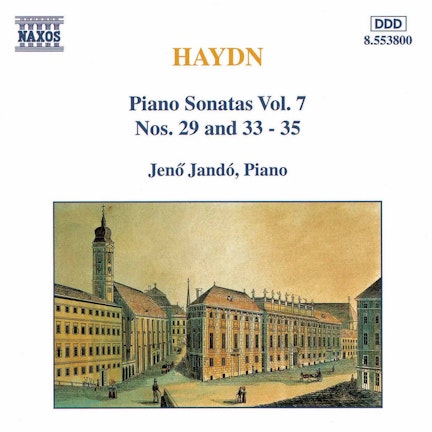
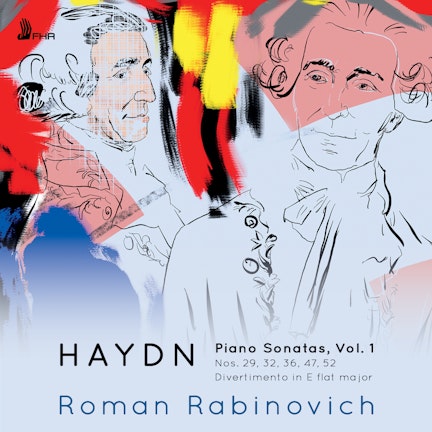
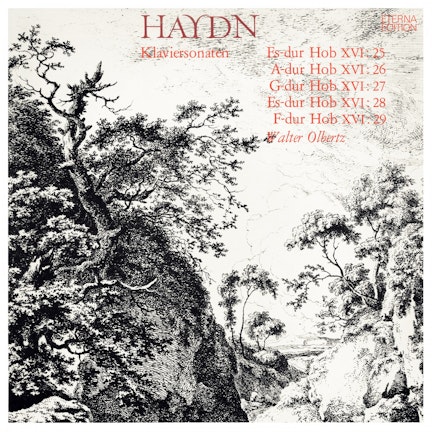
Haydn's Sonata No. 29 in E flat major, composed in 1766, was part of a new series of sonatas that omitted the minuet movement, which was present in all his earlier sonatas.
Compositional Technique
Haydn's Sonata No. 16 in D major features a distinctive two-voice polyphony between the left and right hands, a characteristic noted by Haydn himself in his Entwurf-Katalog.
Performer Biography
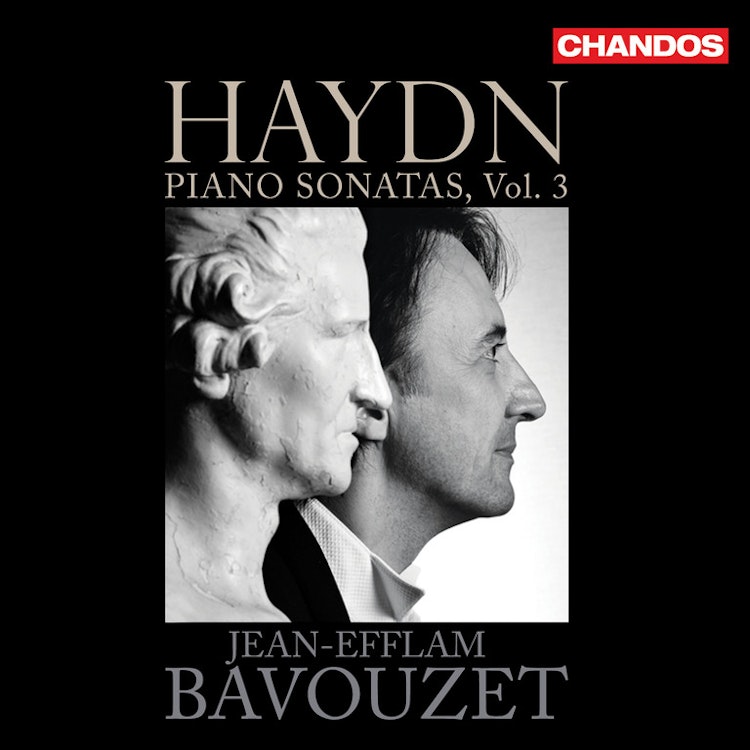
Jean-Efflam Bavouzet, the pianist on this recording, was invited by Sir Georg Solti to make his debut with the Orchestre de Paris in 1995 and is considered Solti's last discovery.
Composition History
Haydn's early sonatas were often short, light, and intended for amateurs and students, but some larger, more complex works were already aimed at connoisseurs.
Critical Reception
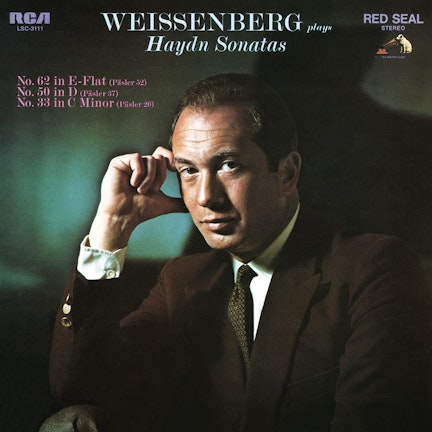
The Sonata No. 33 in C minor is considered by Hungarian musicologist Laszlo Somfai to be 'the most monumental keyboard work between the death of J.S. Bach and the Viennese maturity of Mozart'.
Composition History
The Sonata No. 16 in D major, though composed around 1760, was first published in 1789 by James Cooper in London and mistakenly attributed to Ignaz Pleyel.
Composer Biography
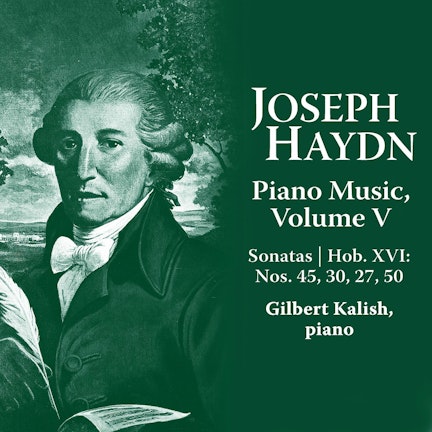
Franz Joseph Haydn cultivated the piano sonata genre from the mid-1750s until around 1794 or 1795, a period when the harpsichord was gradually being replaced by the piano.