The Royal Abbey of Fontevraud, where this album was recorded, was founded in 1101, served as a royal necropolis for the Plantagenêt family, and was once the most powerful abbey in France.
Recording & Production
This album was recorded live in concert at the Royal Abbey of Fontevraud, rather than in a studio, to capture the energy and improvisation of a live performance.
Composer's Artistic Vision
Haydn is often called the 'father of the string quartet' because his works laid the foundations for the genre, emphasizing absolute equality between the four instruments.
Compositional Technique
Haydn's Quartet Op. 33 No. 1, composed when he was 48, boldly replaces the conventional minuet with a surprising scherzo, which was a significant innovation at the time.
Composer Biography
Haydn's Quartet Op. 64 No. 5, 'The Lark,' reflects his joy at being freed from 30 years of service to Prince Nicolaus I Esterházy, allowing him to pursue international fame in London.
Interpretation
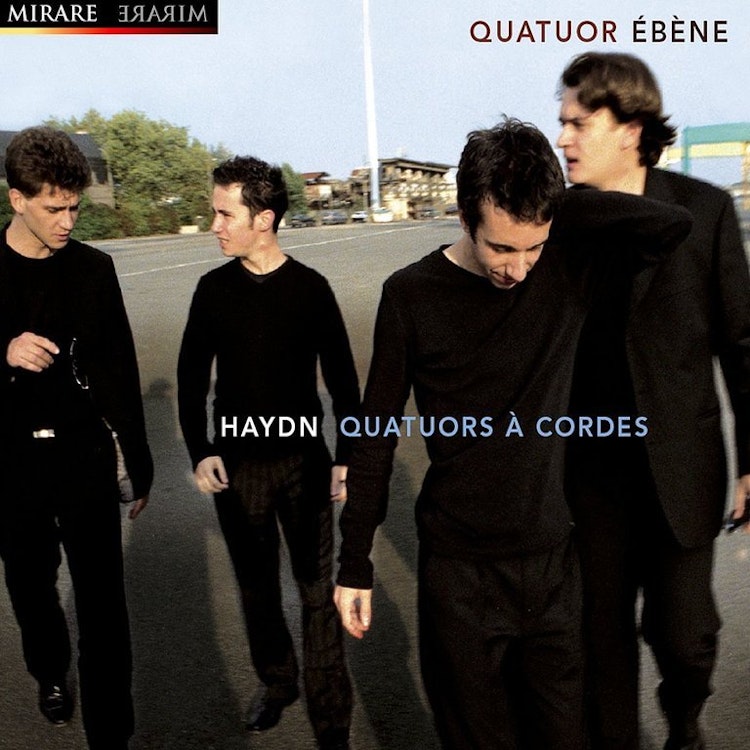
For this recording, the Ébène Quartet chose to use very little vibrato, which required them to explore different expressive techniques, primarily with the bow.
Instruments
Raphaël Merlin, the cellist of the Ébène Quartet, plays a 1850 Maucotel cello that once belonged to the renowned cellist Paul Tortelier, on loan from the Fonds Instrumental Français.
You might also enjoy...
Mozart: String Quartets K. 169, K. 464 & K. 589
Haydn: String Quartets, Vol. 13
Haydn: String Quartets, Vol. 8
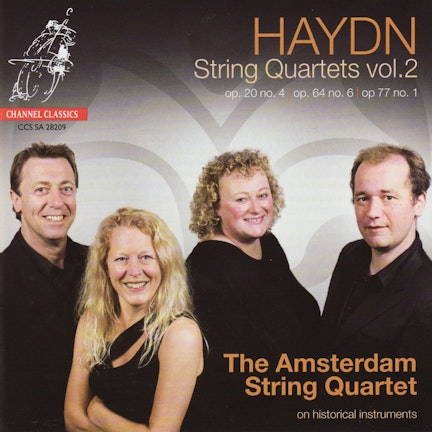
Haydn String Quartets Vol. 2
Haydn: String Quartets
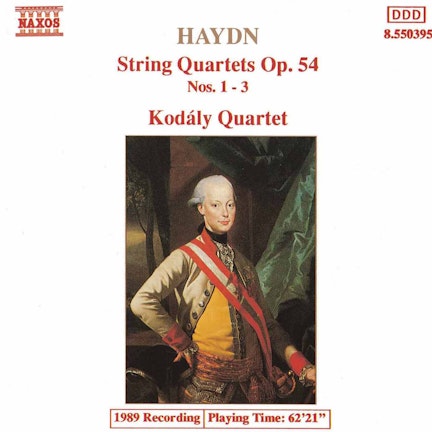
Haydn: String Quartets Op. 54, Nos. 1- 3
Haydn's Nature
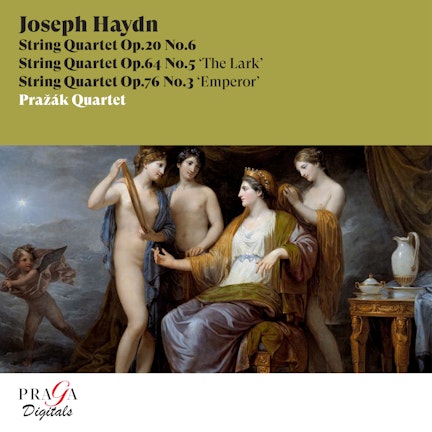
Joseph Haydn: String Quartets, Op. 20 No. 6, Op. 64 No. 5 "The Lark", Op. 76 No. 3 "Emperor"
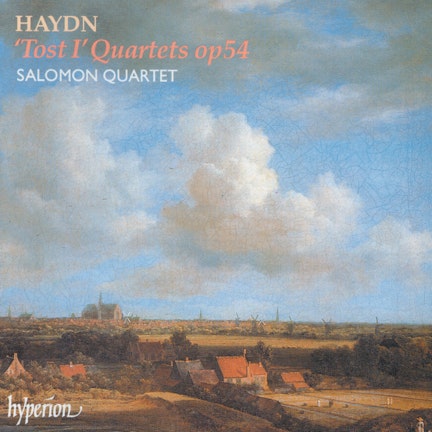
Haydn: String Quartets, Op. 54 "Tost I" (On Period Instruments)
Haydn: String Quartets, Op. 74 "Apponyi Quartets"
The Auryn Series, Vol. 19
Joseph Haydn: String Quartets Op. 74 "Apponyi Quartets" No. 1, No. 2 & No. 3 "The Rider"