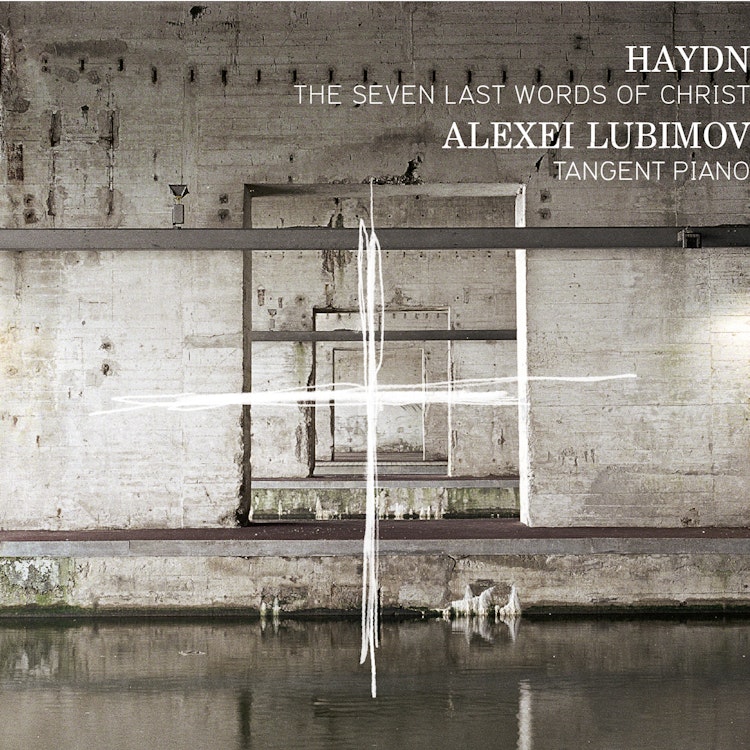
Alexei Lubimov chose to record this keyboard transcription of Haydn's work on a tangent piano (Tangentenflügel) because its unique sonority and various stops can reflect orchestral colors better than other period instruments.
Composition History
The original orchestral version of Haydn's work was first performed on Good Friday, April 6, 1787, in the Santa Cueva in Cádiz, a grotto beneath the parish church of Rosario.
Composition History
Haydn's "The Seven Last Words" was originally conceived as seven slow movements, each about ten minutes long, to be interspersed with a bishop's homilies during a Good Friday service.
Critical Reception
Despite its European reputation, the original orchestral version of Haydn's "The Seven Last Words" remained largely unknown until a modern edition was published in 1959, with the string quartet version being the most frequently performed.
Instruments
The tangent piano (Tangentenflügel) is a rare keyboard instrument from the 18th century, admired by musicians like Mozart, which uses narrow wooden slips to strike the strings, combining qualities of harpsichords, clavichords, and fortepianos.
Composer's Artistic Vision
Haydn himself stated that each movement of "The Seven Last Words" was designed to create a profound impression on the listener, even without prior knowledge.
Composition History
Haydn's "The Seven Last Words of Christ on the Cross" was commissioned in late 1786 by José Saenz de Santamaría, a priest in Cádiz, Spain, for a Good Friday ceremony.
You might also enjoy...
Doulcet: A Film by
Shostakovich: 24 Preludes and Fugues
Khachaturian: Children's Album, Book 1
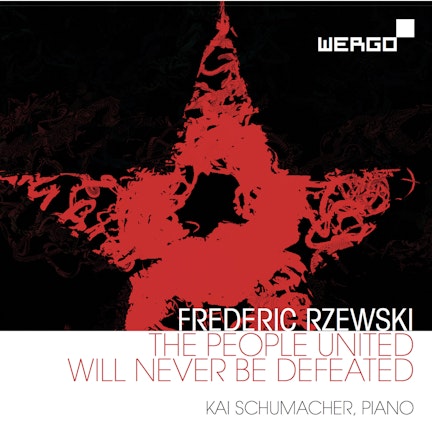
The People United Will Never Be Defeated! - 36 Variations on ¡El pueblo unido jamás será vencido!
Family Album
Shostakovich: 24 Preludes & Fugues
Hélène de Montgeroult: Études
24 Preludes & Fugues, Op. 87
Dvorák: Poetic Tone Pictures, Op.85
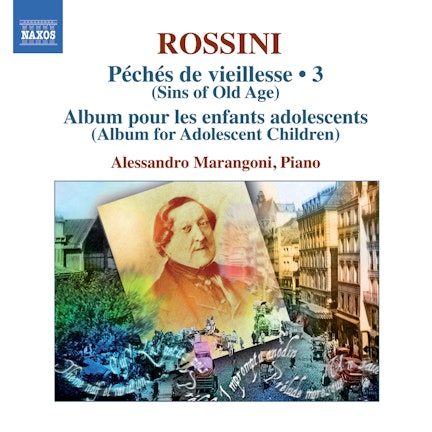
Rossini: Piano Music, Vol. 3
Hindemith: Ludus Tonalis
Villa-Lobos, H.: Piano Music, Vol. 1 - A Prole Do Bebe, No. 1 / Cirandas
Frederic Rzewski: The People United Will Never Be Defeated