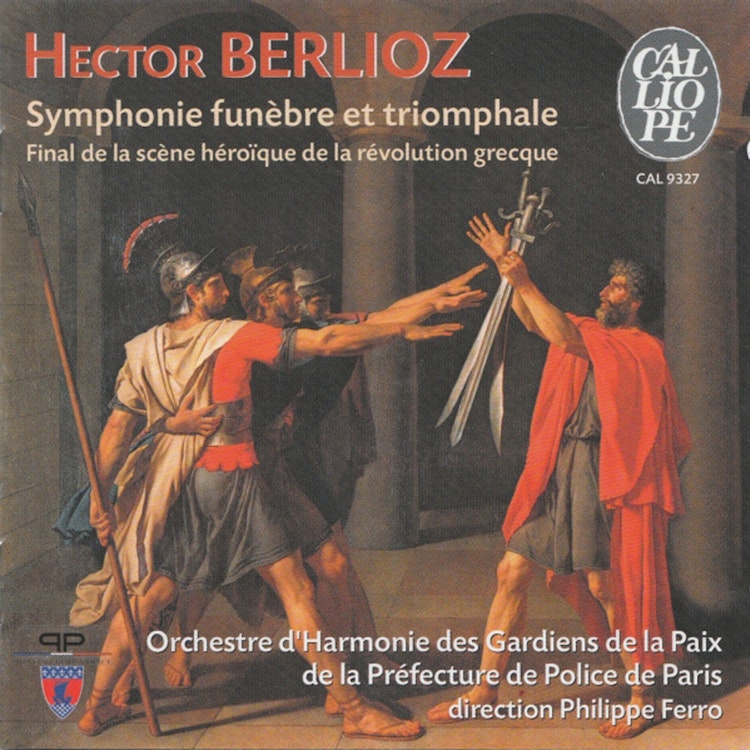
Hector Berlioz: Grande symphonie funebre et triomphale / Final de la scène héroïque de la révolution grecque
5/2/2012, 4 Tracks, 37:57
Featuring
Philippe Ferro
Laurent Madeuf
Musique des gardiens de la paix
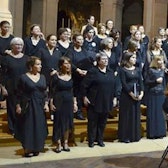
Colonne Choir
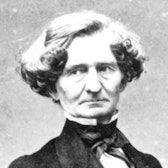
Hector Berlioz
Did you know?
1/7
Performer Biography
The Musique des Gardiens de la Paix de la Prefecture de Police de Paris, formed in 1929, has received numerous awards for its recordings, including the Prix de l'Academie Charles Cros.
Instruments
For this recording, early twentieth-century trombones were used for homogeneity with the cornet and horn sections, and the trombone solo features an instrument made in 1842.
Compositional Technique
The Symphonie Funèbre et Triomphale was originally in two parts: the first for a 200-strong military band for a procession, and the second with a grand chorus for an inhumation ceremony.
Recording & Production
This recording by the Musique des Gardiens de la Paix de la Prefecture de Police aims to highlight the finesse of Berlioz's orchestration, using the Barenreiter edition (Urtext).
Composer's Artistic Vision
Berlioz regarded the trombone as embodying 'the supreme degree of nobility and grandeur,' capable of expressing profound musical gravity or intensity.
Notable Performances
During Berlioz's lifetime, the Symphonie Funèbre et Triomphale was performed with between 100 and 1,800 musicians in open-air settings.
Composition History
Berlioz's Symphonie Funèbre et Triomphale was commissioned in 1840 to commemorate the transfer of the ashes of the 1830 Revolution victims.
You might also enjoy...
Brahms : Symphonies Nos 3, 4 & Ein deutsches Requiem
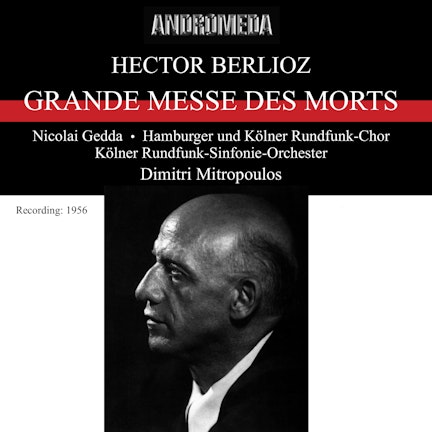
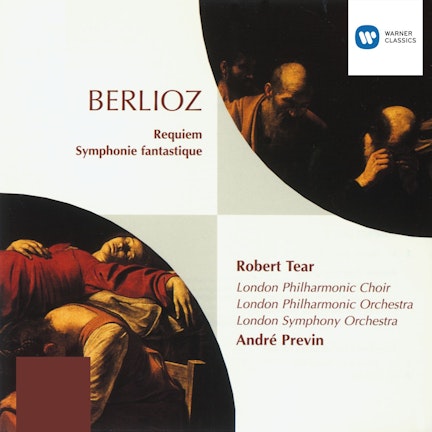
Berlioz: Grande Messa des Morts & Symphonie fantastique
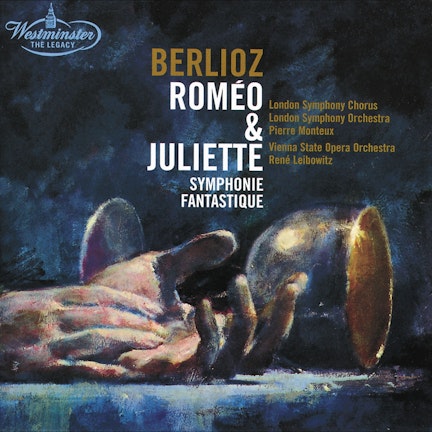
Berlioz: Roméo & Juliette; Symphonie fantastique
Grandes Messe des Morts/ Symphonie Fantastique - Berlioz
Berlioz: Symphonie Fantastique: Classic Library Series
Dvorak, A.: Requiem / Symphony No. 9, "From the New World"
Fauré: Requiem
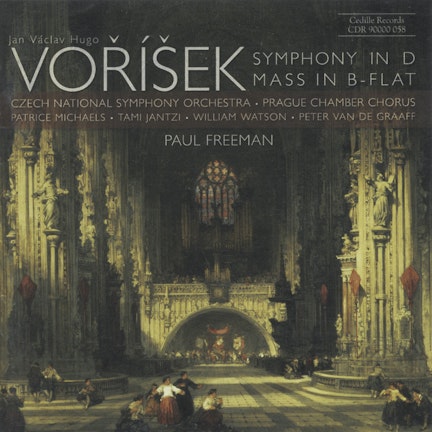
Vorisek: Symphony in D Major / Mass in B-Flat Major
Mendelssohn: Symphony No. 3 in A Minor, Op. 56, MWV N 18 "Scottish" & Die erste Walpurgisnacht, Op. 60, MWV D 3
Berlioz: Grande Messe des Morts - Symphonie Fantastique