Both Hertel and Löwen admired the passion cantata "Der Tod Jesu" by Karl Wilhelm Ramler and Carl Heinrich Graun, which was considered a model of "empfindsam" (sensitive) passion music.
Composer Biography
Johann Wilhelm Hertel came from a family of musicians in Eisenach and was a master of the piano from a young age.
Compositional Technique
Hertel's cantata combines traditional features like baroque tone painting and contrapuntal thinking with an unconventional and impulsive harmonic style, giving it a "Janus-faced" quality.
Composition History
Hertel received the commission for "Der sterbende Heiland" from Prince Ludwig, the younger brother of Duke Friedrich, who supported court music life in Schwerin.
Critical Reception
Hertel attempted to publish "Der sterbende Heiland" himself in 1773, but his efforts to make it available to a broader public were unsuccessful, despite its appreciation by contemporaries.
Composition History
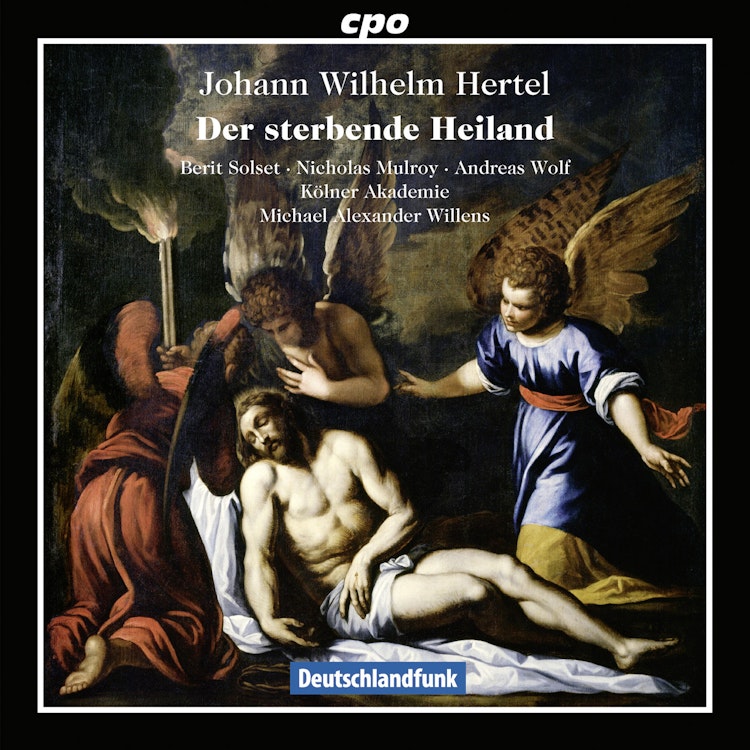
Johann Wilhelm Hertel's passion cantata "Der sterbende Heiland" (The Dying Savior) premiered on Good Friday in 1764 in Schwerin.
Composer Biography
Johann Friedrich Löwen, the librettist for "Der sterbende Heiland," was a co-founder of the German National Theater in Hamburg (1767) and a close associate of Gotthold Ephraim Lessing.
You might also enjoy...
Gomes: Il Guarany
Lehár: Tatjana
Orff: Carmina Burana
Eybler: Die vier letzten Dinge
Bach, J.S.: St. John Passion (Arr. R. Schumann)
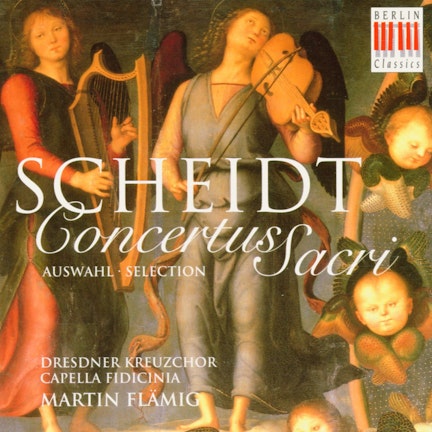
Scheidt: Concertus Sacri
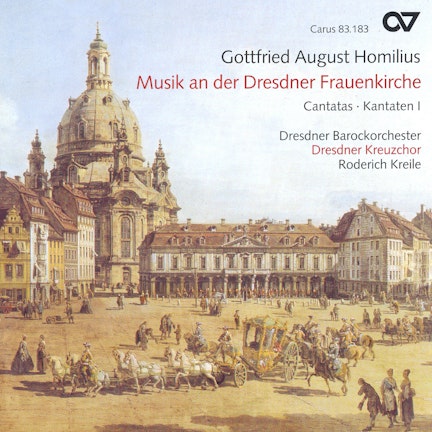
Homilius, G.A.: Choral Music (Cantatas)
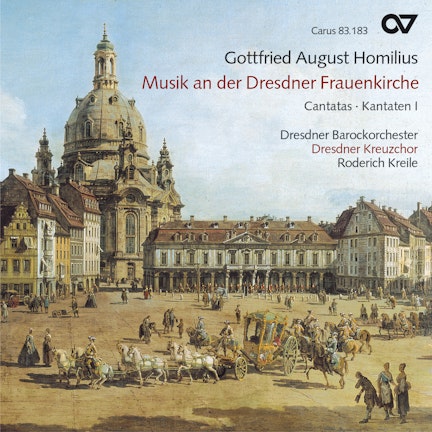
Gottfried August Homilius: Musik an der Dresdner Frauenkirche - Kantaten I
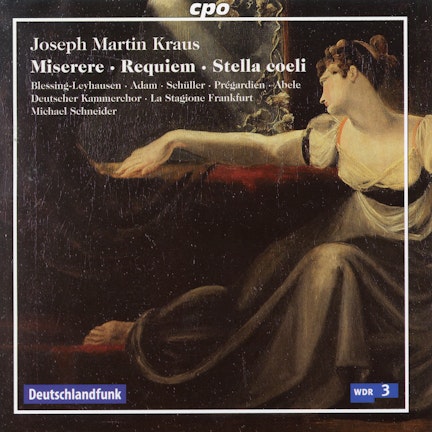
Kraus: Miserere in C Minor, Requiem in D Minor & Stella coeli in C Major
Benevoli: Missa "In angusita pestilentiae", 1656
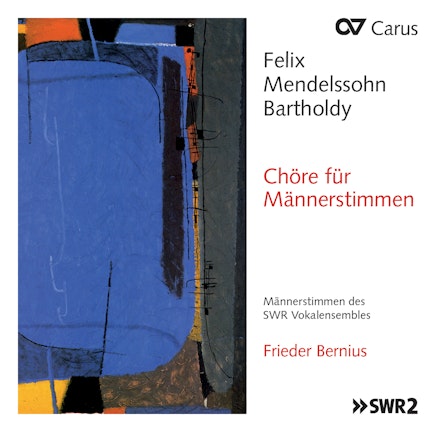
Mendelssohn: Chöre für Männerstimmen
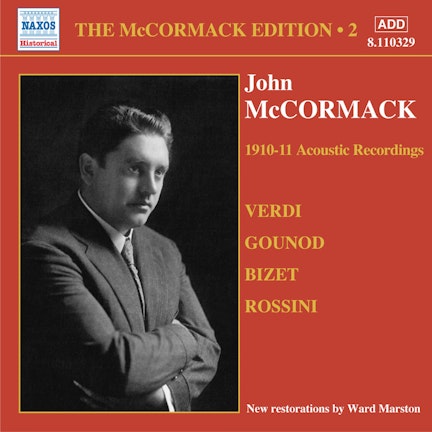
Mccormack, John: Mccormack Edition, Vol. 2: The Acoustic Recordings (1910-1911)
Mccormack, John: Mccormack Edition, Vol. 2: The Acoustic Recordings (1910-1911)