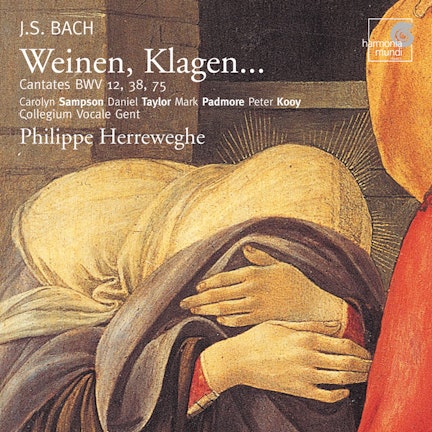
Herz und Mund und Tat und Leben - Bach: Cantatas BWV 6-99-147
9/1/2023, 22 Tracks, 1:02:21
Featuring
Philippe Herreweghe
Dorothee Mields
Alex Potter
Guy Cutting
Peter Kooij
Collegium Vocale Gent
Johann Sebastian Bach
Did you know?
1/7
Compositional Technique
In BWV 99, Bach's opening chorus features an independent instrumental movement with violin, oboe d'amore, and transverse flute, playing lively concertante interplay, separate from the choral setting of the hymn.
Composition History
Bach adapted his earlier Weimar composition of Herz und Mund und Tat und Leben BWV 147 for a feast day in Leipzig by adding recitatives to connect the arias and relate the work to the Gospel text for the Feast of the Visitation.
Composition History
The cantata Herz und Mund und Tat und Leben BWV 147 originated during Bach's time as organist and concertmaster at the Weimar court (1708-1717), though only its three-part opening chorus has survived from that period.
Compositional Technique
The famous chorale arrangement "Jesu, joy of man's desiring" (Jesu, meiner Seelen Wonne) from BWV 147 was composed by Bach in Leipzig and concludes both sections of the cantata.
Composition History
Bach's cantata Was Gott tut, das ist wohlgetan BWV 99 was part of a cycle in his second Leipzig year where he transformed a well-known hymn into a cantata for each Sunday and feast day.
Composition History
The cantata Bleib bei uns, denn es will Abend werden BWV 6 was the first new cantata composed after Bach unexpectedly broke off his chorale cantata cycle at Easter 1725.
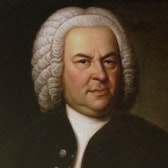
Composer Biography
Johann Sebastian Bach composed around 150 cantatas, two Passions, and magnificent settings of Latin hymns during his first four years as Cantor at the Thomaskirche in Leipzig (1723-1727).