Herzogenberg often set movements for more than four parts, such as an eight-part Magnificat, due to the large size of Friedrich Spitta's choir in Strasbourg.
Composition History
The fourth motet in op. 103 was composed for the silver wedding anniversary of Adolf and Lili Wach, close friends of Herzogenberg, with text specifically referencing their family.
Composition History
The Liturgical Songs for Totensonntag (Sunday of the Dead) op. 92 were composed by Herzogenberg in memory of his friend Philipp Spitta, who died in 1894.
Composition History
The Liturgical Songs for Advent, Epiphany, and Passiontide were commissioned by Friedrich Spitta, a theology professor in Strasbourg, for university church services.
Composer Biography
Heinrich von Herzogenberg, a Catholic, became Professor of Composition at the Berlin Musikhochschule in 1885.
Performer Biography
ensemble cantissimo, founded in 1994, focuses on a cappella singing and is known for rediscovering rare choral music.
Composition History
Herzogenberg's wife, Elisabeth von Herzogenberg, died at 44 in 1892, leading him to compose the large-scale cantata Todtenfeier op. 80 as his 'German Requiem'.
You might also enjoy...
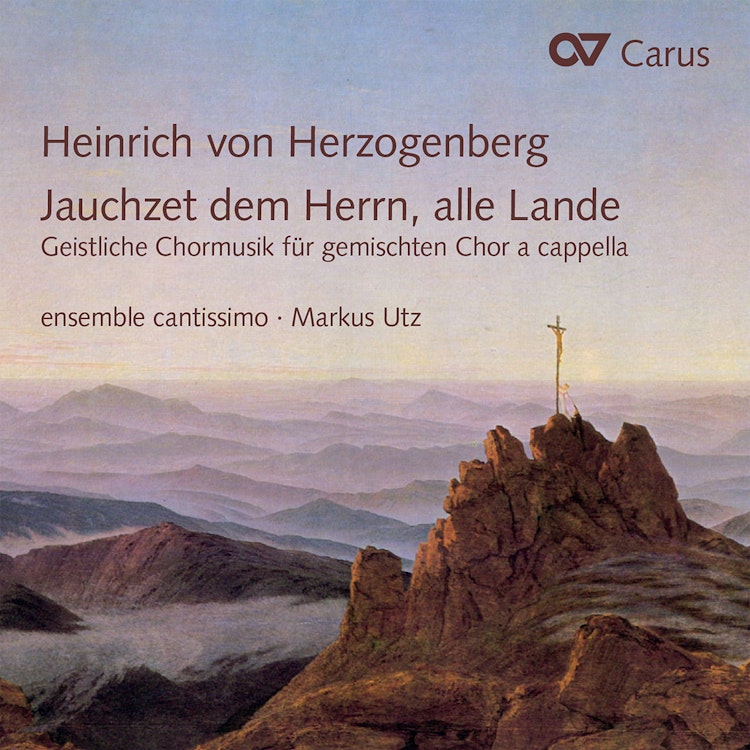
Jauchzet dem Herrn, alle Lande
Arnold Mendelssohn: Motetten zur Weihnacht - Deutsche Messe