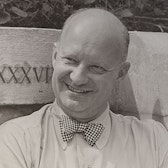
Hindemith was regarded as the leading German viola player by the end of the 1920s, even willingly playing the solo viola part in Berlioz' Harold in Italy under Furtwängler.
Composer's Artistic Vision
Hindemith believed composers should only write if they knew the reason for doing so, stating that the days of 'composition as an end in itself' were perhaps gone forever.
Composer Biography
Hindemith was a prolific composer and performer, playing light music in Swiss spa bands at 17, leading an operetta orchestra, and performing chamber music on violin, viola, or piano.
Historical Context
Hindemith refused to stop working with Jewish musicians like Szymon Goldberg and Emanuel Feuermann after the Nazi rise to power, which was a reason he later had to leave his homeland.
Composition History
Hindemith composed his Trauermusik (Funeral Music) for viola and string orchestra in a single day, on January 21, 1936, following the death of British King George V.
Instruments
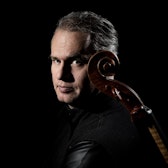
Torleif Thedéen, the cellist on this album, plays an ex-Harrell Tecchler cello from 1711.
Composer Biography
Paul Hindemith, the composer, began his career as a violinist and was so proficient that he could play every orchestral instrument, some to a very high standard.