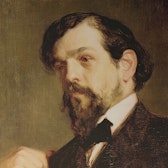
Claude Debussy's music, starting with works like "Prelude to the Afternoon of a Faun," subtly abandoned the diatonic tonal system that had been the foundation of Western classical music since the 17th century.
Critical Reception
At the beginning of the 20th century, less than 24% of the repertoire performed by the Leipzig Gewandhaus Orchestra was by living composers, indicating a strong "canon phenomenon" in classical music.
Composer's Artistic Vision
Debussy rejected the label "impressionist" for his music, stating he sought a musical language that was "not a reproduction of nature but rather the mysterious nexus between nature and the imagination."
Compositional Technique
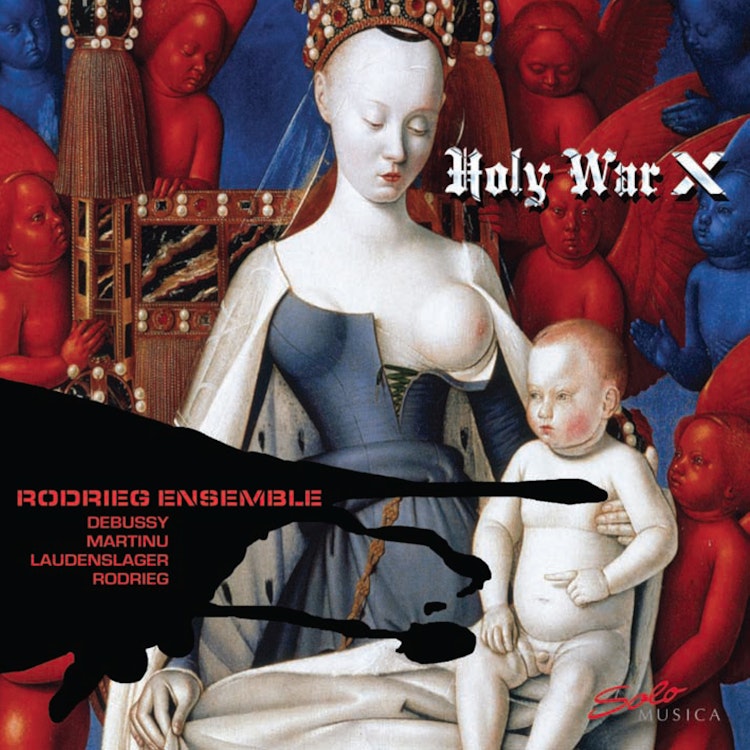
Mark Rodrieg's triptych "Holy War X" incorporates pop-music sampling techniques and increasingly abstract harmonic and rhythmic structures, even using turntables with recordings of the same music being performed.
Composer's Artistic Vision
Arnold Schoenberg, a pioneer of atonal music and founder of the Second Viennese School, believed that serious artists should pursue art in elevated isolation, stating, "If it is art, it is not for all."
Historical Context
At the turn of the 20th century, European capitals like Vienna were centers of mystical societies and political movements seeking to overthrow existing societal structures.
Compositional Technique
In Debussy's "Feux d'artifice" (Fireworks), the climax features a "bomb explosion" represented by a bass attack on the lowest note of the keyboard, followed by distant, out-of-key quotes from the French national anthem.