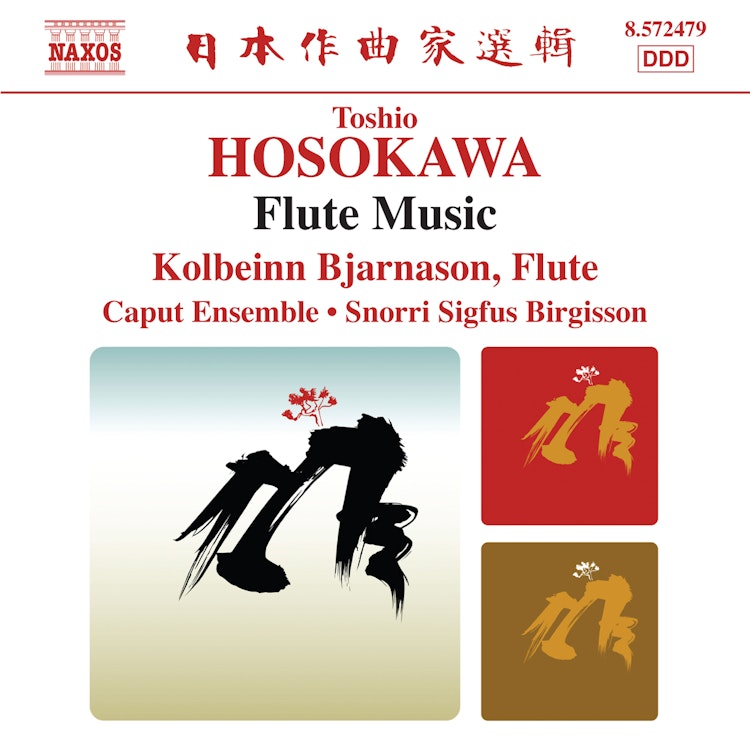
Composer Toshio Hosokawa conceives of music as a "calligraphy of space and time," inspired by avant-garde Japanese calligrapher Yuichi Inoue.
Composer's Artistic Vision
For Hosokawa, the flute is the ideal instrument to realize his musical ideas because it produces sound through breath, transmitting the "sound's life-power."
Composer's Artistic Vision
Hosokawa's concept of musical calligraphy focuses on the form of a single musical note, which is born from silence, grows, and decays like an oriental writing brush stroke.
Compositional Technique
Unlike Western architecture's brickwork approach to melody, Hosokawa's Eastern-influenced music uses glissando, vibrato, and tone color changes to maintain the "flow of life" of a single note.
Performer Biography
Flautist Kolbeinn Bjarnason, born in Reykjavík in 1958, is not only an accomplished Western flautist but has also studied shakuhachi music in Japan.
Composer's Artistic Vision
Hosokawa's musical calligraphy, influenced by Japanese tradition, values the blank spaces or silence in music as much as the audible notes, giving notes greater expressive power.
Compositional Technique
Hosokawa's flute music incorporates breath noise, a sound forbidden in Western flute music until the 19th century, but used positively in the Japanese tradition to approach a more natural breath.
You might also enjoy...
Amy Brandon: Lysis
Saunders: Stirrings Still
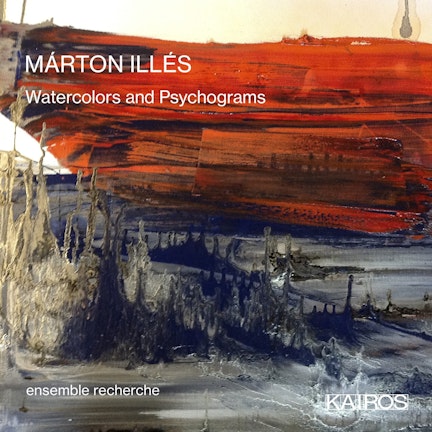
Márton Illés: Watercolors and Psychograms
Nielsen, S.H.: Into the Black / Serenade / White Light
Offertorium
Boots of Lead – Feet of Clay (Live)
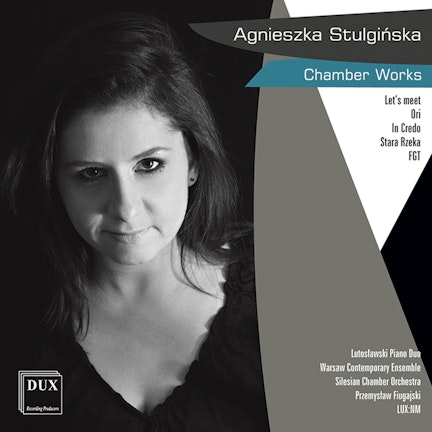
Stulginska: Chamber Works
Gubaidulina: Silenzio
Farzia Fallah
Widmann: Streichquartette
Isabel Mundry: Dufay-Bearbeitungen, Traces des moments & Sandschleifen
Mindscapes
Schnittke: Piano Trio / Madrigals / A Paganini / Stille Musik