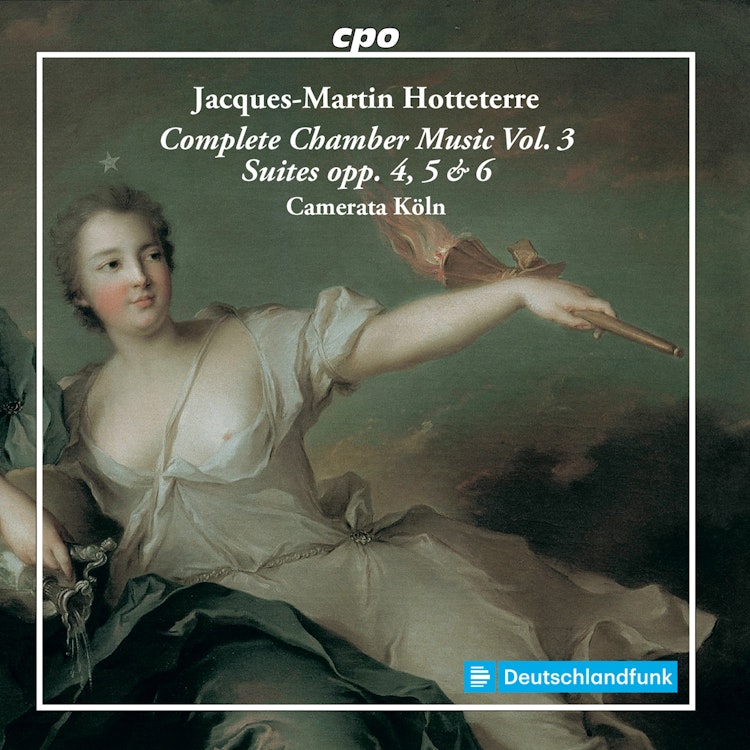
Between 1707 and 1743, Jacques Martin Hotteterre published 16 volumes of compositions, collections, arrangements, and instrument tutors, establishing him as a key figure in French court flute music.
Instruments
The musette, a cultivated bagpipe and the main instrument of the Hotteterre family, is featured in Duet Opus 8, creating a nearly dissonance-free sound ideal for pastoral scenes.
Compositional Technique
Hotteterre's Opus 5 suites blend Italian and French styles, featuring a reduced number of movements and an imitative, motivically through-composed fabric typical of the Italian sonata da chiesa, yet still sounding distinctly French.
Interpretation
For this recording, Camerata Köln transposes some of Hotteterre's Opus 5 suites, performing the third suite a third higher with a recorder and the fourth suite a fourth lower with a viol, in line with historical performance practice.
Cultural Impact
Hotteterre's 'Principes de la flûte' (1707) taught basic flute playing and French baroque performance practice, establishing him as a universal 'flute aficionado' whose methods were widely imitated by later musicians like Johann Joachim Quantz.
Performer Biography
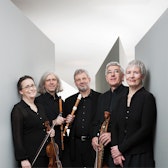
Camerata Köln, one of the world's most traditional chamber music ensembles for early music, was founded in 1979 by music students at the Cologne University of Music.
Composer Biography
Jacques Martin Hotteterre, a flautist at the French royal court, was known as 'Le Romain' (the Roman) because of his two-year stay in Rome, where he gained Italian stylistic knowledge.
You might also enjoy...
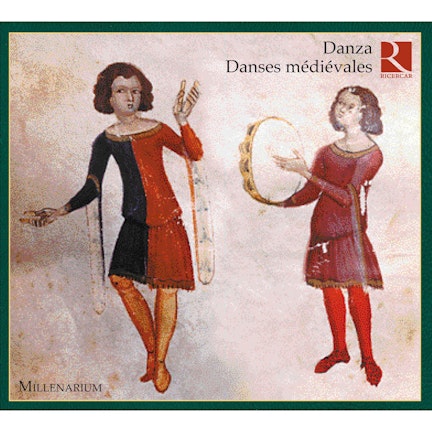
Danza, danses médiévales
Mozart (Re)Inventions
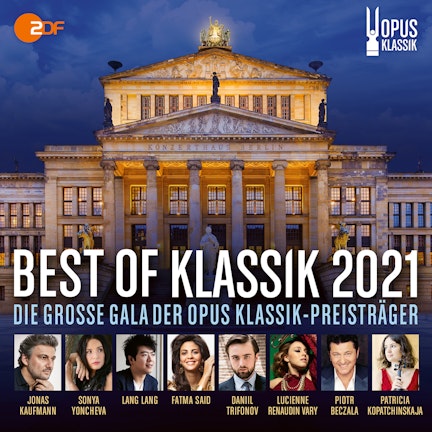
Best of Klassik 2021 - Opus Klassik
Pipings and Bowings: Lyrical English Chamber Music
Bahr, Gunilla Von: Solflojt 2/3 (Sun-Flute 2/3)
Gaia Music Festival 2017: Music of Liszt, Beethoven, Ravel, Saint-Saëns & Schumann (Live)
Nicanor Zabaleta - Himmlische Harfe
ACE Composers: 21st Century Chamber Music by Alan, Christopher & Eric Schmitz