Herbert Howells, the composer, had a complex relationship with Christianity, moving from a Baptist upbringing to a lifelong connection with the Anglican Church.
Composition History
The Te Deum and Jubilate by Howells were first heard in King's College Chapel in 1944, after Dean Eric Milner-White of King's challenged Howells and Patrick Hadley to compose a new setting.
Composition History
Howells' Cello Concerto and Hymnus Paradisi became private 'medical documents' for him, composed in the immediate aftermath of his nine-year-old son Michael's death from polio in 1935.
Instruments
Guy Johnston, the cellist on this recording, plays a 1714 David Tecchler cello, which is on loan from the Godlee-Tecchler Trust.
Recording & Production
King's College, Cambridge, launched its own record label in 2012 to capture the rich heritage of the College, featuring its Choir, resident musicians, and prestigious alumni.
Composer's Artistic Vision
Howells' musical style was profoundly influenced by Tudor and Renaissance church music, leading Vaughan Williams to comment that Howells felt like the reincarnation of a lesser Tudor luminary.
Performer Biography
This recording features two alumni of King's College, Cambridge: Christopher Seaman, the conductor of the Cello Concerto, and Guy Johnston, the soloist in the Cello Concerto and a former Chorister.
You might also enjoy...
Holst: Various Works
Simpson: Complete Choral and Organ Music
Tippett, M.: Nimbus Recordings (The)
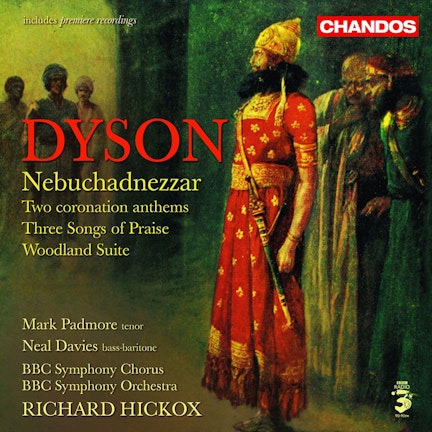
Dyson: Nebuchadnezzar / Woodland Suite / 3 Songs of Praise
Rattle conducts Britten
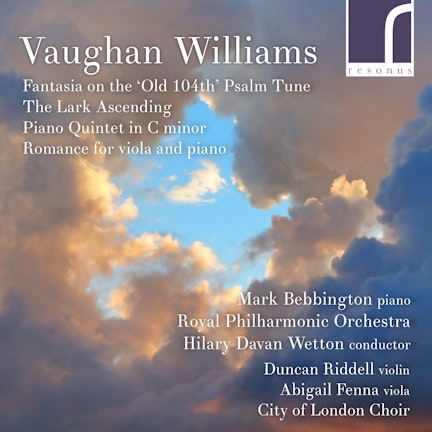
Vaughan Williams: Piano Quintet, The Lark Ascending, Romance, Fantasia on the 'Old 104th' Psalm Tune
Holst: The Collector's Edition
Britten
Rubbra: Sinfonia Concertante / A Tribute / the Morning Watch / Ode To the Queen