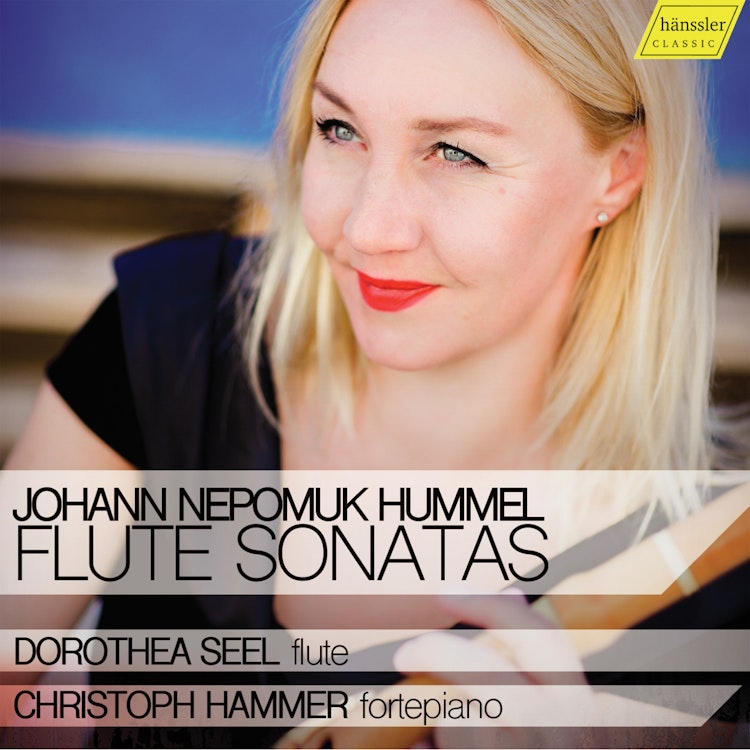
Dorothea Seel applies forgotten 19th-century flute playing techniques, such as the glissando-like 'overlapping of notes' (Überziehen der Töne), which are no longer possible on modern instruments.
Composer Biography
Johann Nepomuk Hummel, born in 1778, was considered one of the most important composers and the most famous piano virtuoso after Beethoven during his lifetime.
Composer Biography
As a child prodigy, Hummel studied with Mozart and later embarked on a four-year artistic tour to present himself as a piano virtuoso.
Instruments
The recording also features an original 1827 fortepiano by Conrad Graf, which combines classical lightness with a powerful tone and includes period-appropriate stops like moderator, keyboard shift, and bassoon.
Instruments
This recording uses a flute by the renowned Viennese instrument-building dynasty Ziegler, characteristic of early 19th-century Viennese flutes with an increased number of keys and extended lower range.
Composer's Artistic Vision
Hummel saw himself as the guardian of the keyboard tradition established by Mozart, known as the Viennese Piano School.
Compositional Technique
Hummel's compositions combined classical melodic structures with brilliant, virtuosic figuration, including passages in thirds, sixths, and octaves, similar to Frédéric Chopin's later style.
You might also enjoy...
F. & C. Doppler: The Complete Flute Music, Vol. 10
Works for Flute & Piano
Mozart, W.A.: Violin Sonatas Nos. 17, 18, 24 and 27 (Arr. for Flute and Piano)
Haydn: The Sonatas for Flute & Piano
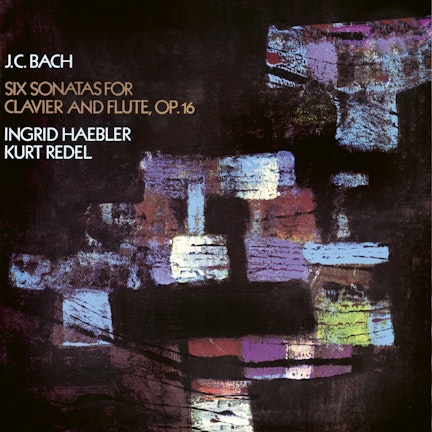
Bach, J.C.: Flute Sonatas Op. 16
Paris - Europe
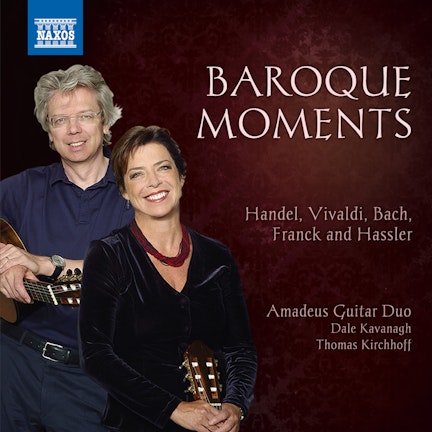
Baroque Moments
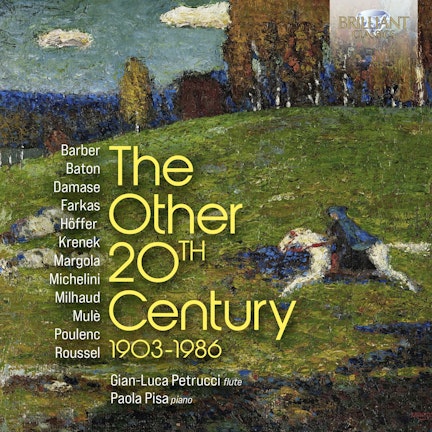
The Other 20th Century 1903-1986
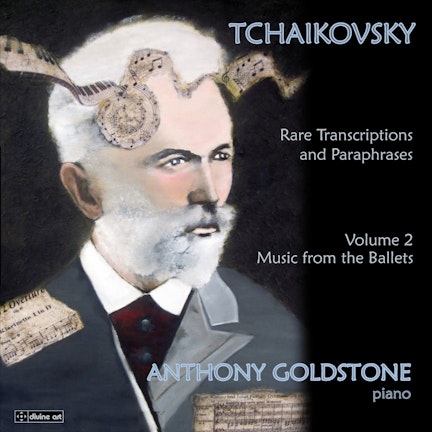
Tchaikovsky: Rare Transcriptions and Paraphrases (Music from the Ballets), Vol. 2