To enhance the a cappella polyphony, some vocal parts are doubled by two instruments rarely associated: the medieval cornett and the modern bass clarinet, chosen for their blending timbres.
Historical Context
The concept of music therapy is not modern; Guido d'Arezzo, a medieval music theorist, dedicated a chapter of his 11th-century treatise Micrologus to 'The Power of Music,' citing ancient Greek medical practices.
Interpretation
The album's director, Simon-Pierre Bestion, aimed to recreate the ancient ritual of the Requiem, selecting works for their hypnotic and meditative qualities, spanning medieval, Renaissance, and 20th-century periods.
Interpretation
The vocal parts are extensively ornamented, a practice uncommon in modern performances of Renaissance polyphony, with many embellishments written by the director and others improvised by the singers.
Album & Artwork
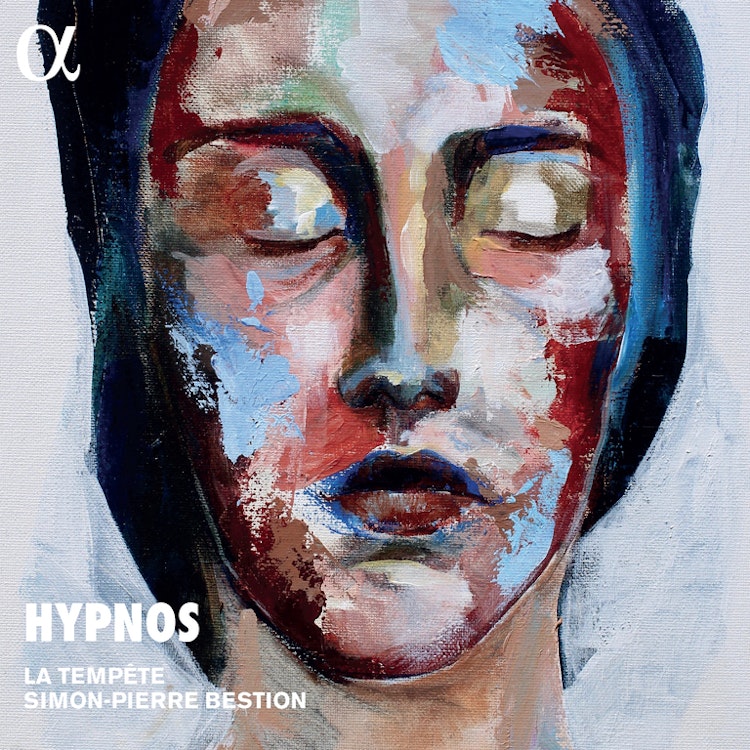
The album's title, Hypnos, refers to the Greek god of sleep, twin brother of Thanatos (god of death), and father of Morpheus (god of dreams).
Interpretation
The recording deliberately avoids the Anglo-Saxon tradition of Renaissance polyphony, instead featuring Byzantine-type chants, the guttural voices of Giacinto Scelsi, and the open vocal style of popular Southern European church traditions, alongside John Tavener's English approach.
Composer's Artistic Vision
The album's musical selections, primarily sacred pieces, aim to evoke the imaginative world of Greek mythology and Christian spirituality, inviting a sensory and emotional journey through sound.
You might also enjoy...
The Choral Tradition - Bach, Handel, Mozart, Purcell...
Marenzio: Missa Jubilate, Magnificat sexti toni & Other Works