Antonio Cesti, the composer, began his musical career in a children's choir and later gained recognition as a singer, performing leading roles in his own operas.
Composition History
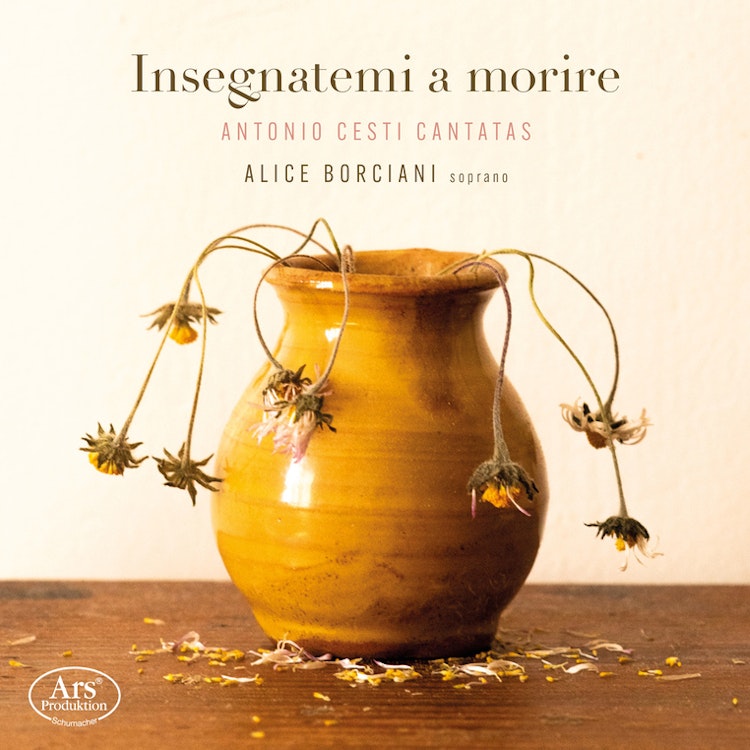
The cantatas on this album are based on a critical edition by Alice Borciani, the soprano on this recording, for the Istituto Italiano per la Storia della Musica.
Historical Context
In 17th-century Rome, the chamber cantata, a secular vocal work with instrumental passages, was a central genre, fostering collaborations between wealthy patrons, literati, and composers.
Interpretation
The harpsichordist, Elam Rotem, composed some refrains for two of the cantatas, inspired by the style of the time, following the historical practice of extemporaneous insertions.
Composer Biography
Giovanni Filippo Apolloni, a 17th-century Italian librettist, was a friend and compatriot of Antonio Cesti, and their artistic alliance produced both operatic and chamber music works.
Compositional Technique
Cesti's cantatas feature frequent word painting, where natural movements like waves and fire, or terms like 'to run away' and 'trumpets,' are depicted through melismatic passages.
Composer's Artistic Vision
Apolloni's poems for Cesti's cantatas often explore painful themes like the disillusionment of love and the relentless passing of time, reflecting a gravity of tone close to tragic theatre.