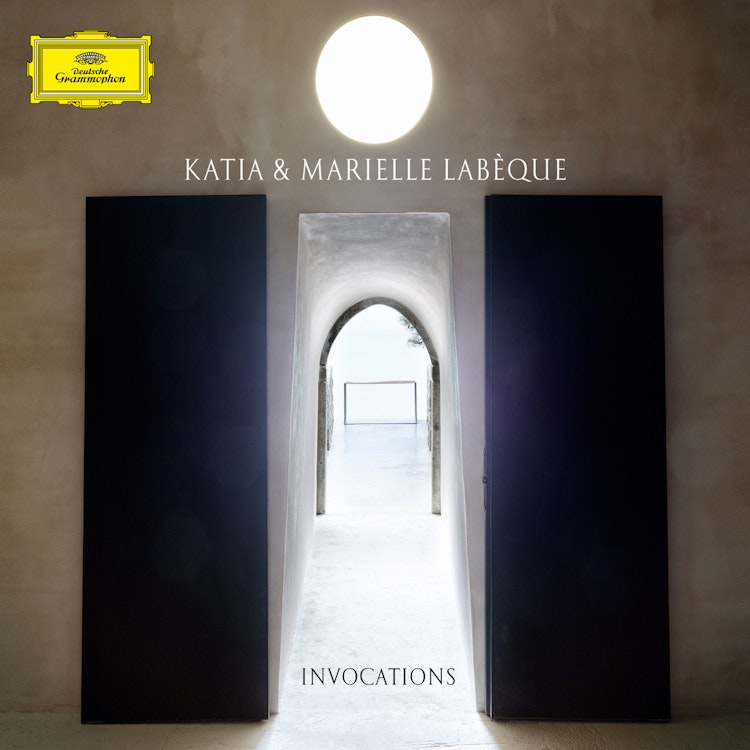
The Labèque sisters use two pianos for works of an orchestral nature to incorporate elements from the original orchestral score that would be impossible to play with four hands.
Composition History
Debussy's "Six Epigraphes antiques" originated from incidental music he wrote for Pierre Louÿs's "Chansons de Bilitis" between 1900 and 1901.
Composition History
Stravinsky's piano four-hand reduction of "The Rite of Spring" was originally intended for dancers' rehearsals before they worked with the orchestra.
Composer's Artistic Vision
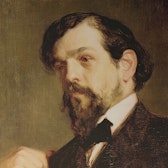
Claude Debussy, a 'décadentiste' who enjoyed 'complicated tobaccos' and 'minuscule Japanese objects', helped define modern music with his "Prélude à l'Après-midi d'un faune."
Critical Reception
Stravinsky's "The Rite of Spring" caused a major scandal at its 1913 premiere in Paris and was withdrawn from Les Ballets Russes' repertoire, but later became a key work in Western music history.
Recording & Production
For Debussy's "Six Epigraphes antiques," Katia and Marielle Labèque opted for two pianos in the recording studio to achieve a broader sound and texture, and to overcome physical challenges of playing four-hands.
Recording & Production
Katia and Marielle Labèque chose to perform Stravinsky's "Rite of Spring" on two pianos for this recording, as the original four-hand version is "unplayable as is" and sounds better with two pianos.
You might also enjoy...
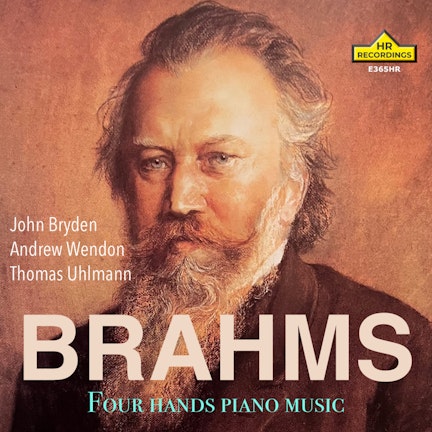
Brahms: Four hands piano music, John Bryden, Thomas Uhlmann, Andrew Wendon