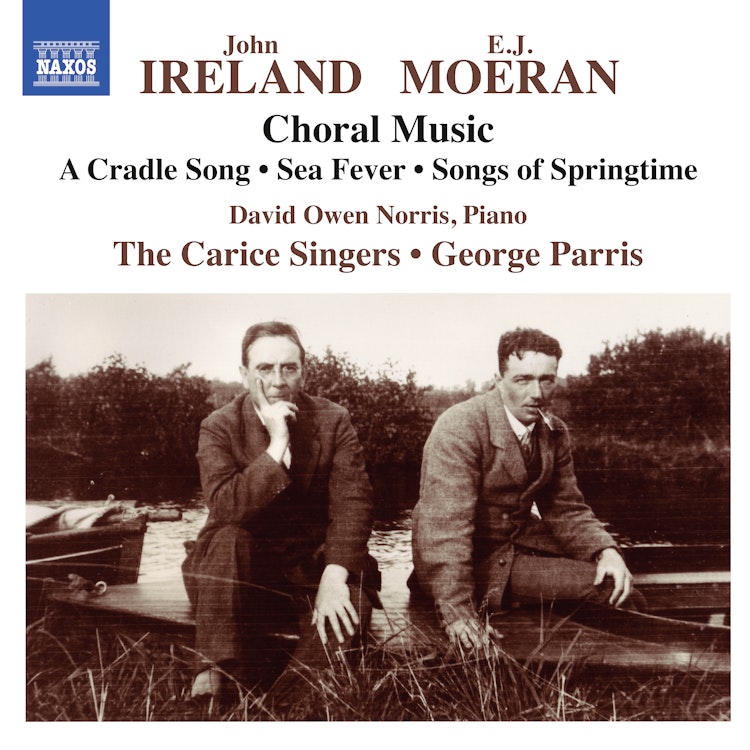
Moeran's "Songs of Springtime" incorporates techniques like imitation and word-painting from Elizabethan madrigals, and individual songs also show deference to Renaissance dances, such as the basse dance and pavane.
Composition History
Ireland's setting of "These things shall be" was inspired by John Addington Symonds's poem, expressing aspirations for a post-World War I Britain where mankind would live 'unarmed… as comrades free'.
Composer Biography
E.J. Moeran studied with John Ireland at the Royal College of Music after serving in World War I, but it was the music critic Philip Heseltine (Peter Warlock) who made the strongest impression on him.
Performer Biography
The Carice Singers, named after Sir Edward Elgar's daughter, aim to bring an imaginative approach to Romantic choral music and frequently use academic research for their programs.
Compositional Technique
After World War I, Ireland's style changed, incorporating sixteenth-century modality and a more acerbic harmonic vocabulary, blending modality and chromaticism with dissonant diatonicism.
Composer Biography
John Ireland, known for his piano miniatures and solo songs, was also an organist at Holy Trinity Church, Sloane Square and St Luke's, Chelsea, which gave him a deep understanding of choral forces.
You might also enjoy...
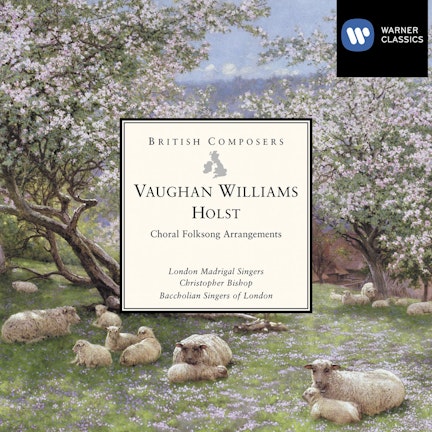
Vaughan Williams & Holst: Choral Folksong Arrangements
Sacred and Profane
Sea Change - The Choral Music Of Richard Rodney Bennett
Sea Change - The Choral Music Of Richard Rodney Bennett