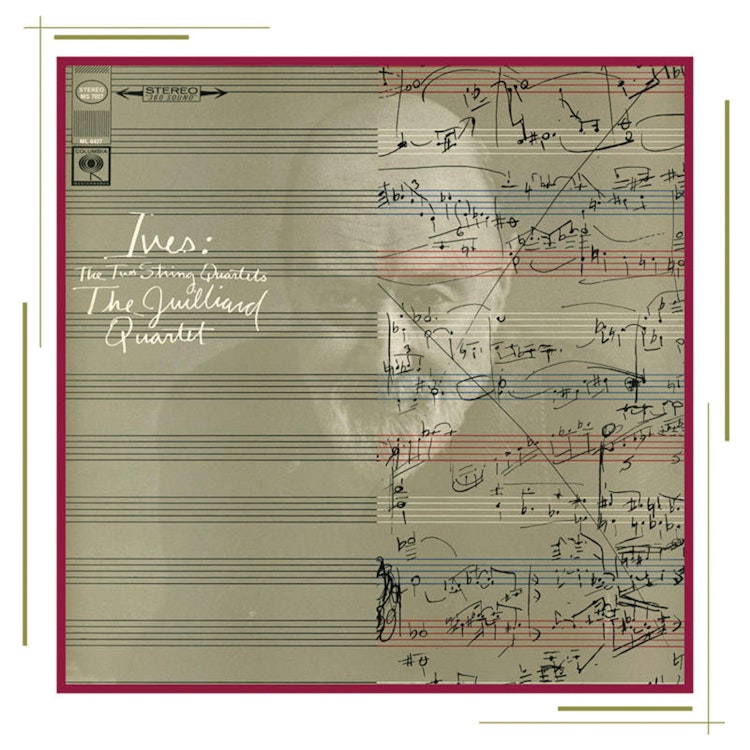
Charles Ives, the composer, was a twenty-one-year-old sophomore at Yale University when he wrote his String Quartet No. 1 in 1896.
Critical Reception
The String Quartet No. 1 had its first public performance in 1957, over sixty years after its composition, where critics offered divided opinions.
Compositional Technique
The String Quartet No. 2, composed between 1907 and 1913, is a 'thorny work' that is often frankly atonal, contrasting with the more conventional forms of his first quartet.
Composer's Artistic Vision
Charles Ives, the composer, rejected conventional forms, stating that 'Beauty in music is too often confused with something that lets the ears lie back in an easy chair.'
Composition History
Charles Ives's String Quartet No. 1 was his first major work, completed in 1896, and was followed by his Symphony No. 1 in 1898 as a graduation exercise.
Compositional Technique
The String Quartet No. 1 is generally subtitled 'A Revival Service,' connecting it to the atmosphere of churchly titles for its movements: Fugue, Prelude, Offertory, and Postlude.
Compositional Technique
The String Quartet No. 2 is described by Charles Ives, the composer, as being 'for 4 men - who converse, discuss, argue (in re 'politics'), fight, shake hands, shut up - then walk up the mountainside to view the firmament.'
You might also enjoy...
Verdi: String Quartet in E Minor
Dvorak Janacek String Quartets
Walton: String Quartets
Taneyev: Complete String Quartets, Vol. 5
Borodin Quartet Performs Chamber Music of the 20th Century