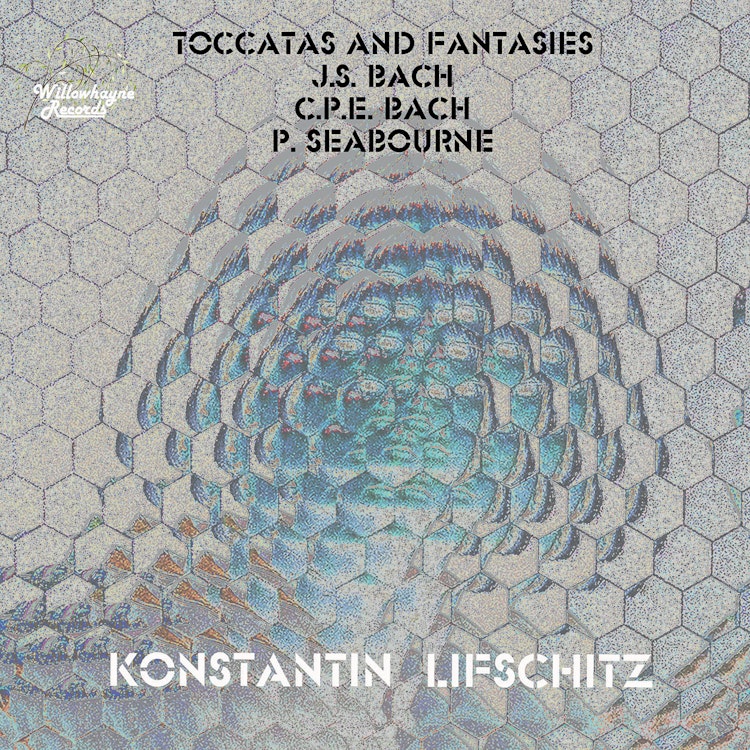
J.S. Bach, C.P.E. Bach & P. Seabourne: Toccatas & Fantasies
5/27/2022, 20 Tracks, 2:24:47
Featuring
Konstantin Lifschitz
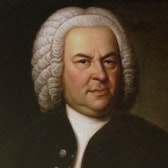
Johann Sebastian Bach
Peter Seabourne
Carl Philipp Emanuel Bach
Did you know?
1/7
Composer Biography
Carl Philipp Emanuel Bach, Johann Sebastian Bach's second surviving son, developed a visionary style that led to the forging of the Classical style.
Composer Biography
Peter Seabourne, the contemporary composer featured on this album, abandoned composing for 12 years after becoming dissatisfied with his work and the new music world, before a sudden reawakening in 2001.
Historical Context
Bach's approach to the toccata form was strongly influenced by Dieterich Buxtehude, a composer whom Bach famously walked 400km to hear in Lübeck in 1705.
Compositional Technique
Unlike 19th-century toccatas characterized by rapid perpetual motion, Bach's early toccatas employ a multi-sectional form, juxtaposing virtuosic passages with fugues, gigues, and reflective recitatives and arias.
Performer Biography
Konstantin Lifschitz, the performer on this album, received the ECHO Klassik Award for 'The Best Emerging Artist of the Year' in 1995 and was nominated for a Grammy for his recording of Bach's Goldberg Variations.
Composer's Artistic Vision
Peter Seabourne, a contemporary composer, created new toccatas and reflective, aria-based pieces to interleave with Bach's early works, aiming for an interesting interplay and juxtaposition.
Composition History
The exact dates of Bach's seven Toccatas BWV 910-916 are unknown, but they are often ascribed to his time as organist to Duke Wilhelm Ernst in Weimar, around 1707-13.
You might also enjoy...
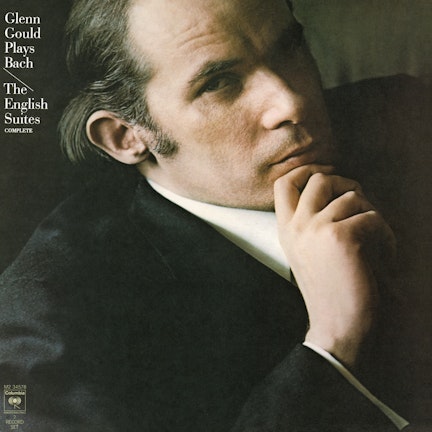
Bach: The English Suites Nos. 1-6, BWV 806-811 - Gould Remastered
Cosmosis
Baroque Session On Piano
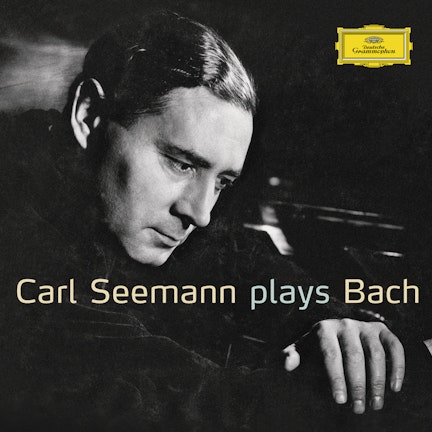
Carl Seemann plays Bach
Reminiscences of Brazil
Mendelssohn: Piano Concerto No. 2 and Solo Piano Works
English Suites
Glenn Gould plays Bach: 6 Partitas BWV 825-830; Chromatic Fantasy BWV 903; Italian Concerto BWV 971; The Art of the Fugue BWV 1080 (excerpts); Preludes, Fugues & Fantasies
Brahms, Debussy, Román, Granados & Ruiz: Piano Works
Blue Danube Arabesques: Brilliant Piano from the Golden Age (Extended Edition)