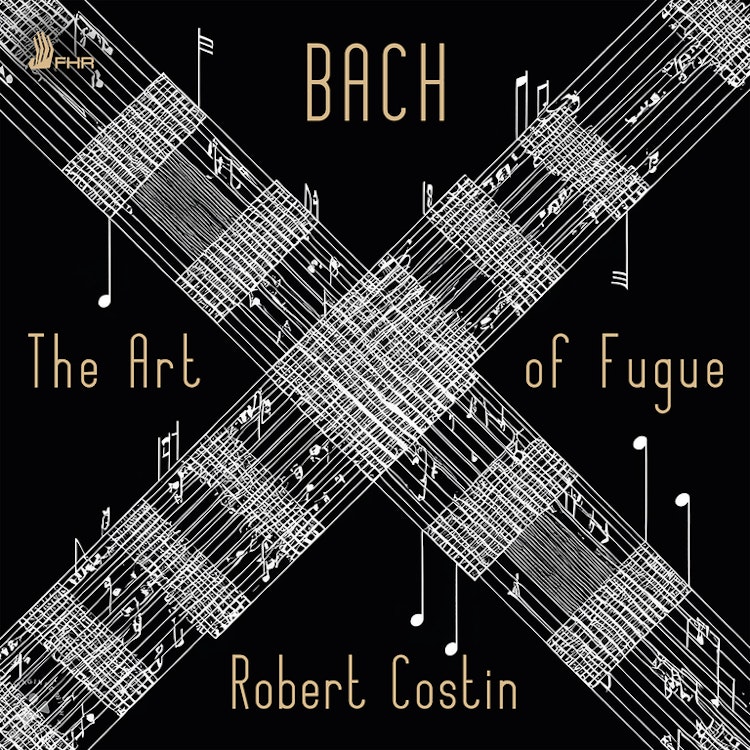
The album was recorded on the Metzler organ at Trinity College, Cambridge, which is considered one of the finest mechanical-action organs of its kind in the United Kingdom.
Performer Biography
Robert Costin, the organist on this recording, is a versatile musician renowned for his work as an organist, harpsichordist, and teacher, who has performed at prestigious venues like Westminster Abbey and Notre-Dame de Paris.
Compositional Technique
The unfinished Contrapunctus 14 from "The Art of Fugue" was intended to be a quadruple fugue, breaking off just as three new subjects, including the B-A-C-H motif, combine for the first time.
Composer's Artistic Vision
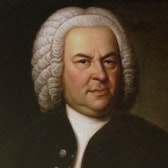
J.S. Bach's late works, including "The Art of Fugue," are profound meditations on endings, order, and eternity, reflecting his spiritual preparation in the Lutheran tradition of ars moriendi (the art of dying).
Composition History
"The Art of Fugue," BWV 1080, was composed by J.S. Bach between approximately 1740 and 1750, during the final decade of his life.
Compositional Technique
The main theme of "The Art of Fugue" is a deceptively simple, perfectly balanced construct that is fully invertible, meaning its mirror image is as sound as the original.
You might also enjoy...
Gillian Weir - A Celebration, Vol. 3 - Marchand
Bach: The 6 Trio Sonatas (Complete Organ Works 10)
La suite française classique pour orgue
Bach: Clavier Übung, dritter Teil
Bach: Trio Sonatas For Organ
Benjamin Righetti - Trio Sonatas by J.S. Bach
J. S. Bach: Triosonaten
Six Sonatas for Organ, BWV 525-530
Froberger: Organ Works
Weckmann: Complete Organ Works
Frescobaldi, G.A.: Organ Music
André Raison & Louis-Nicholas Clérambault: Works for Organ