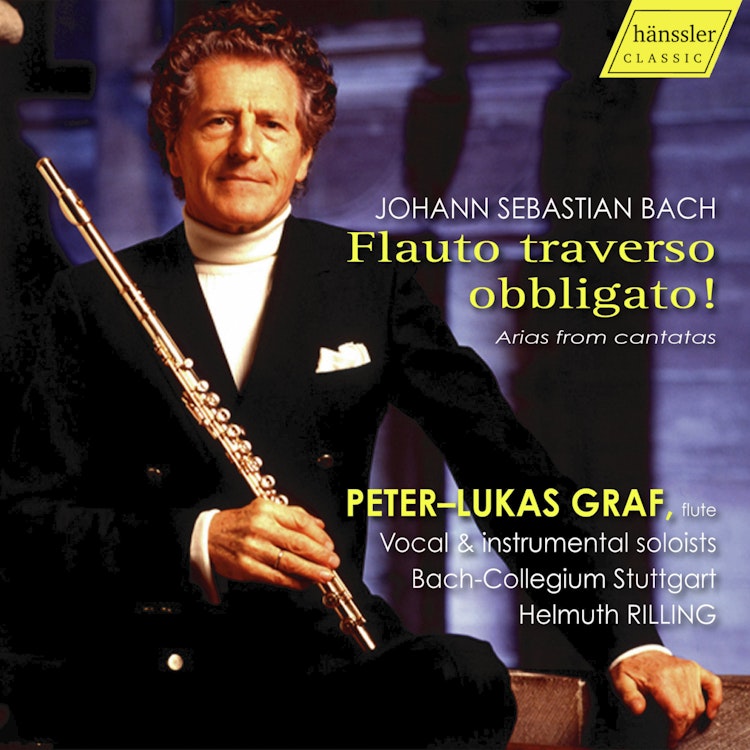
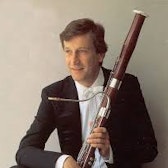
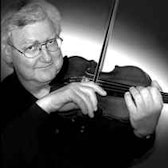
Peter-Lukas Graf won first prize at the Paris Conservatory in 1949 and later at the Munich International Competition in 1953, launching his international career as a soloist and conductor.
Compositional Technique
Bach used a rich array of melodic, rhythmic, and figurative elements to convey the meaning and atmosphere of texts, often associating motives with specific words.
Composition History
Many cantatas written in 1724-25 include highly virtuosic flute parts, suggesting Bach may have had an exceptional flutist available shortly after becoming Kantor in Leipzig in May 1723.
Performer Biography
Peter-Lukas Graf, the flutist on this album, began his flute studies at a young age and gave his first concert at 13, earning praise as a "flute prodigy."
Compositional Technique
Bach's cantatas often use the flute to evoke specific emotions like crying, sighing, or grieving, due to its intimate connection with human breath.
Composer's Artistic Vision
Bach's music is so profound that it transcends specific instrumentation, as shown by his own arrangements and the success of modern transcriptions.
Composition History
It is hypothesized that the French virtuoso flutist Pierre-Gabriel Buffardin (1689-1768) may have been the intended recipient of the demanding flute parts in Bach's cantatas and possibly the dedicatee of the Partita BWV 1013.