Bach's Goldberg Variations transform limited material into boundless variety, showcasing virtuosic keyboard writing and brilliant counterpoint within perfectly structured forms.
Compositional Technique
The Goldberg Variations feature a system of successive groups of three variations, typically including a character piece, a virtuosic movement, and a canon on increasing intervals.
Composition History
The work is named after Johann Gottlieb Goldberg, Count Keyserlingk's harpsichordist and a pupil of Bach, who allegedly played the variations for his master during sleepless nights.
Composer's Artistic Vision
Bach himself described the Goldberg Variations on the original 1741 title page as a work 'composed for music-lovers, to refresh their spirits'.
Compositional Technique
The final variation, instead of being a canon, is a 'Quodlibet' or medley, incorporating popular melodies of the day, which Bach family gatherings were fabled to enjoy.
Composition History
A famous, though historically contested, story suggests the Goldberg Variations were commissioned by Count Keyserlingk, a Russian diplomat-nobleman, to alleviate his sleepless nights.
Composition History
The Goldberg Variations were the fourth and final installment of Bach's Clavier-Übung, a collection of keyboard works published between 1731 and 1741.
You might also enjoy...
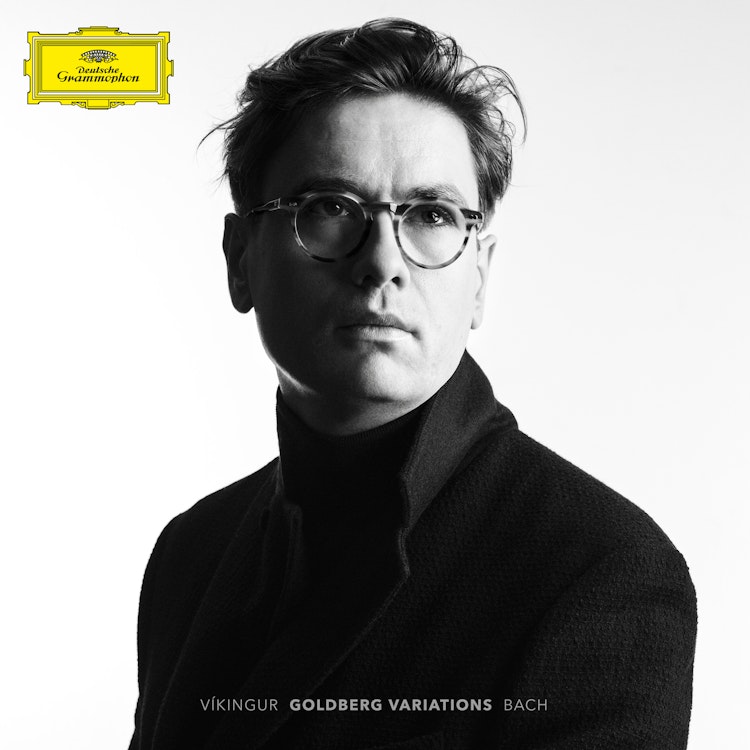
Bach: Goldberg Variations, BWV 988
Bach: Les Variations Goldberg - Gould
Johann Sebastian Bach: Goldberg Variations BWV 988