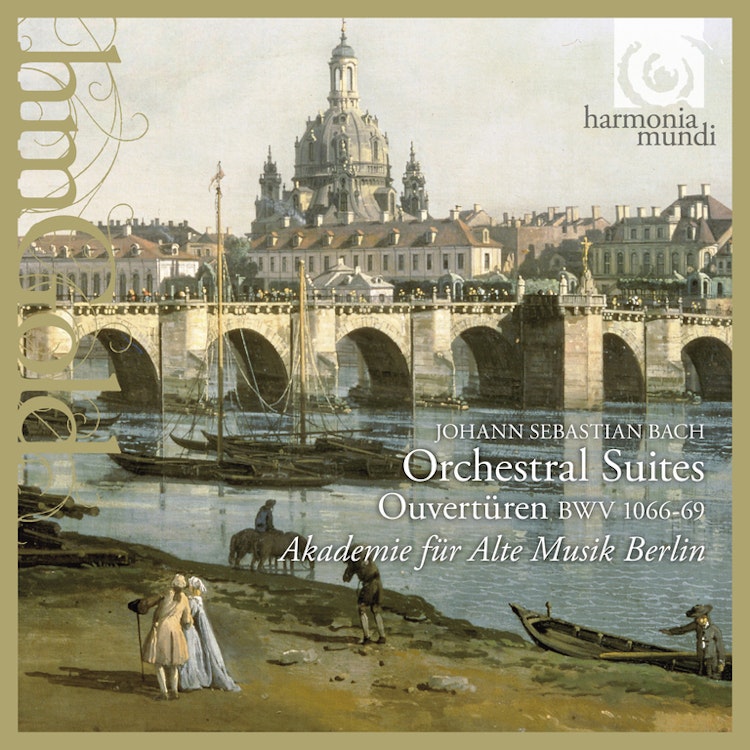
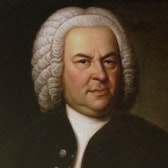
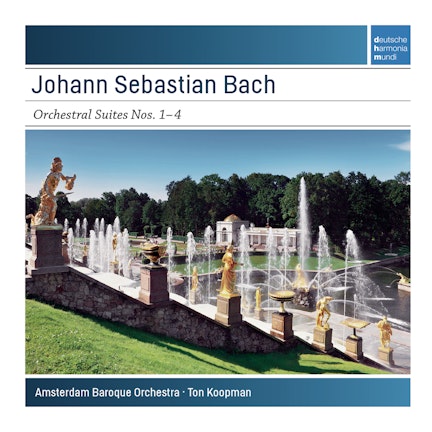
Bach's move to Leipzig in 1723 to become Cantor of St. Thomas's was driven by various factors, including concerns about his princely employer's waning interest in music in Köthen.
Historical Context
The Collegium Musicum, directed by Bach, performed weekly in public at a coffee house in Leipzig, where townsfolk and visitors enjoyed music with coffee and cakes.
Composer's Artistic Vision
Bach revitalized the traditional suite form through refined contrapuntal techniques, varied instrumentation, and a dramatically skillful organization of movements, often playing with antitheses.
Composition History
Bach took over the direction of the Collegium Musicum, an orchestra of 15-20 students, in Leipzig in 1729, which offered him artistic freedom.
Composition History
Bach often reworked earlier compositions from his time in Köthen for the Collegium Musicum, a practice noted by Nikolaus Forkel in 1802.
Composer Biography
Bach was often at odds with his superiors in Leipzig, leading him to consider leaving the city, as revealed in a letter to his friend Georg Erdmann.
Compositional Technique
Bach's Orchestral Suites represent a 'mixed taste,' combining French and Italian styles, with a tripartite overture featuring solemn French dotted rhythms and a rapid, fugal Italian middle section.
You might also enjoy...
Roman: Drottningholmsmusique
Handel: Water Music-Suite No.1
Rameau: Le Temple de la Gloire (second suite) / Campra: L'Europe Galante
Ayres for the Theatre
Roman: Royal wedding music
Bach: Air on the G String – Orchestral Suites
Handel, G.: Water Music (Complete)
Handel: Music for the Royal Fireworks; Water Music