What distinguishes Bach's Sei Solo from other violin music of the period is the absence of an additional continuo bass, meaning a single player must provide the complete harmony using only the instrument's four strings.
Composer Biography
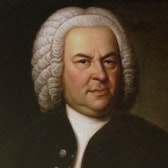
Bach was not only an organist but also a zealous violinist throughout his life; the violin may have been his very first instrument as the son of a town piper.
Compositional Technique
Bach addressed the challenge of a single violin providing harmony by employing chordal playing and arranging melodies so that individual notes outline the underlying harmony, often creating the illusion of multiple parallel voices.
Composer Biography
It is widely believed that the creation of these six violin works is linked to Bach's own professional life, and that he himself performed them.
Cultural Impact
Joseph Joachim, a prominent 19th-century German violinist and friend of Johannes Brahms, famously described Bach's Sei Solo as 'the triumph of spirit over matter'.
Composition History
Bach's fair copy of the Sei Solo a Violino senza Basso accompagnato, which includes the three sonatas and three partitas, was made in 1720, but the individual movements were likely conceived up to six or seven years earlier.
You might also enjoy...
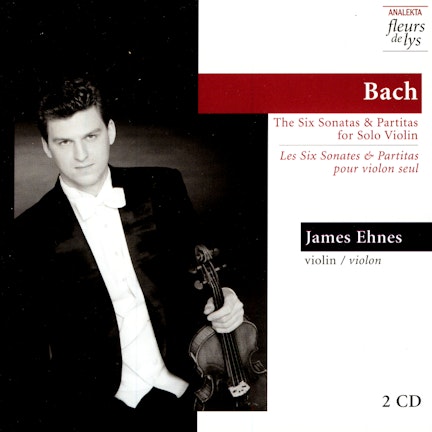
The Complete Sonatas and Partitas for solo Violin
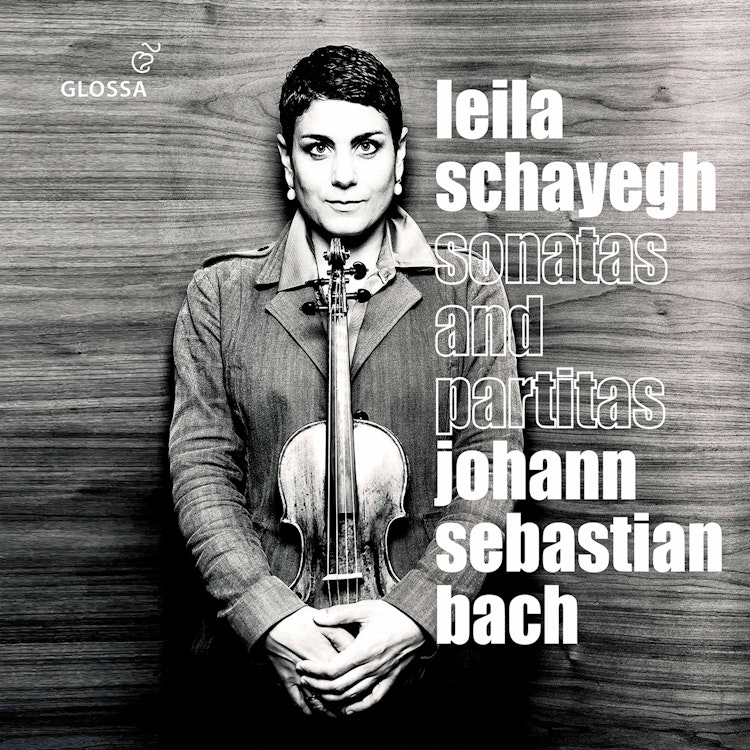
Bach, J.S.: Sonatas and Partitas for Violin Solo
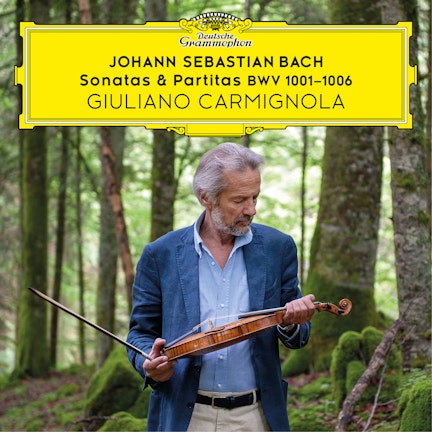
Bach: Violin Sonatas and Partitas, BWV 1001-1006
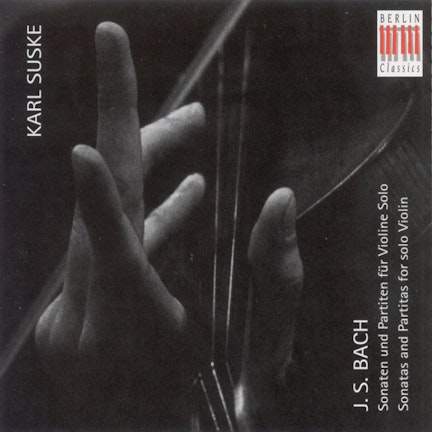
Bach: Sonaten & Partiten
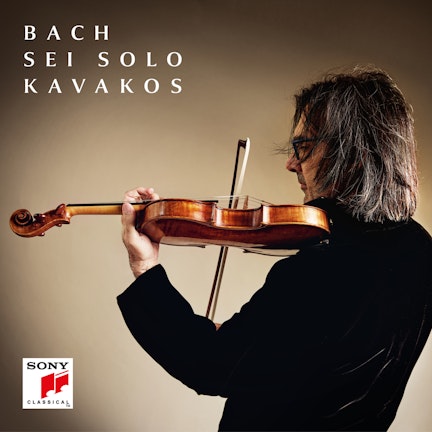
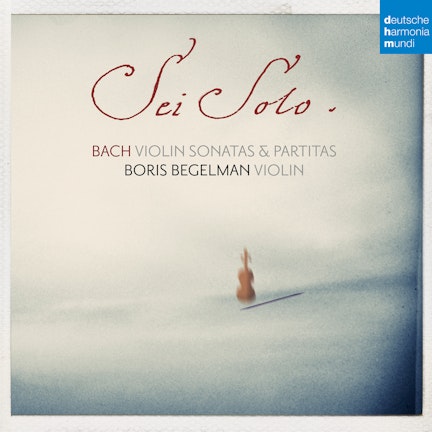
Bach: Sei Solo
Testament: Complete Sonatas and Partitas for Solo Violin by J. S. Bach