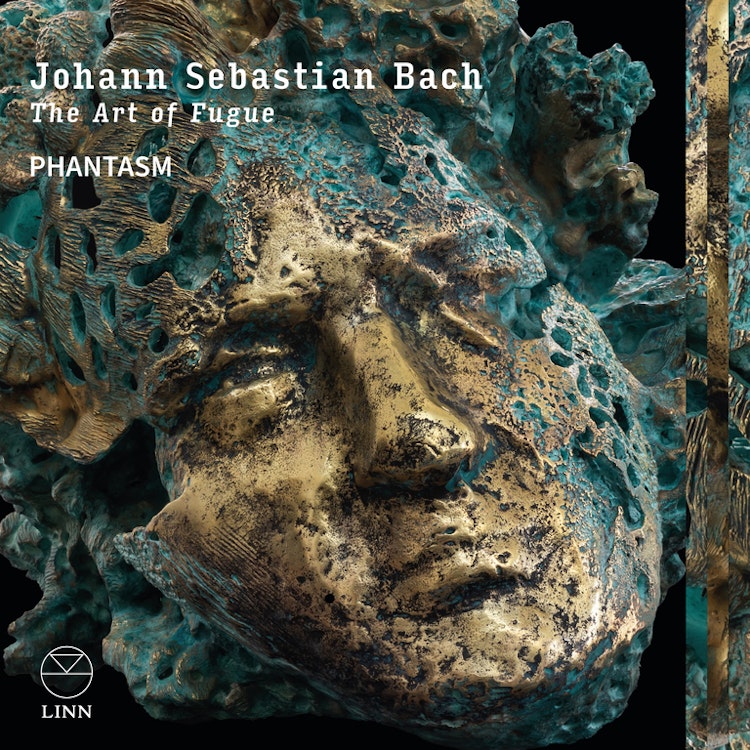
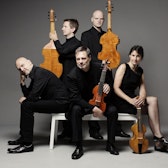
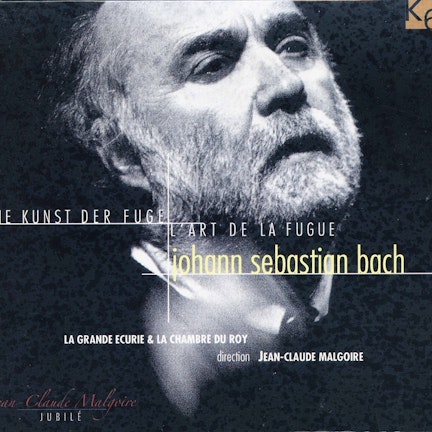
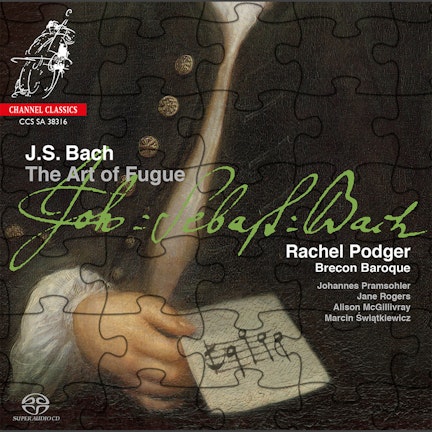
A consort of viols is particularly suited to performing "The Art of Fugue" because the ensemble is accustomed to 'singing' its parts within a constantly shifting polyphonic texture.
Composition History
The final, incomplete fugue in "The Art of Fugue" includes Bach's monogram B-A-C-H (B flat-A-C-B natural in German notation) as one of its countersubjects.
Compositional Technique
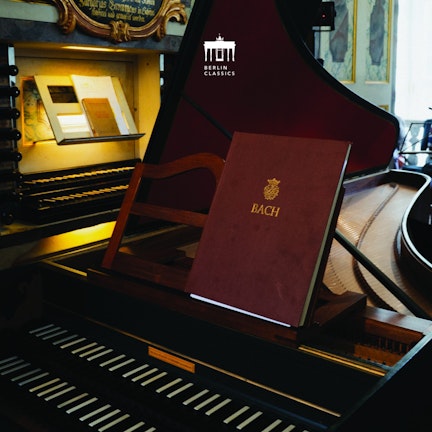
The work was printed in open score, a format that allows for appreciating the 'hidden beauties' of the fugues and seeing how 'all the voices sing continuously'.
Compositional Technique
Bach's "The Art of Fugue" does not specify any particular instrumentation, unlike his other works, because its aim is to explore the world of fugue itself.
Composer's Artistic Vision
Bach's "The Art of Fugue" emphasizes that fugue is an art form, not mere artifice, aiming to appeal to both the mind and the ear.
Performer Biography
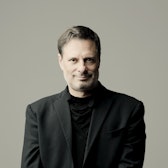
Laurence Dreyfus, the treble viol player and director of Phantasm, was taught to read music before he could read English and studied with cellist Leonard Rose and viol player Wieland Kuijken.
Composition History
Bach's son, Carl Philipp Emanuel Bach, believed his father died at the exact moment he introduced the B-A-C-H motif in the unfinished fugue, noting on the manuscript: 'At this point in the fugue where the name B A C H was introduced in a countersubject, the author died'.