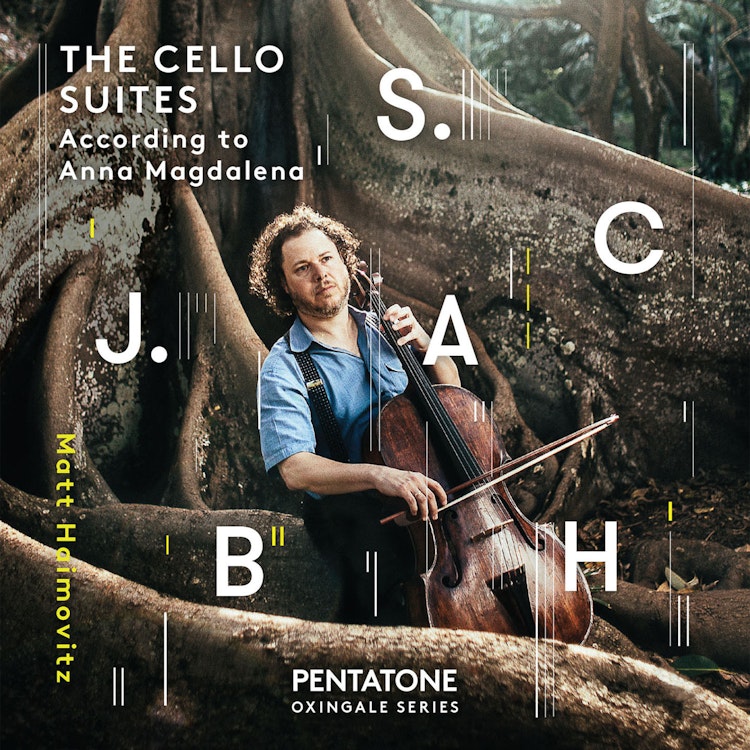
J.S. Bach: The Cello Suites According to Anna Magdalena
10/2/2015, 36 Tracks, 2:14:04
Featuring
Matt Haimovitz
Johann Sebastian Bach
Did you know?
1/7
Composition History
J.S. Bach composed The Cello Suites in 1720 in Cöthen, Germany, while serving as Capellmeister at the court of Prince Leopold.
Historical Context
Bach's time in Cöthen was a rare period when he was not directly associated with a church, allowing him freedom to compose chamber and solo works.
Compositional Technique
Bach's Cello Suites often use open-string key structures (G, D, C major/minor) to celebrate the cello's natural overtones.
Composition History
The original manuscript of J.S. Bach's Cello Suites is lost; our knowledge comes from copies made by Johann Peter Kellner, an acquaintance, and Anna Magdalena, Bach's second wife.
Cultural Impact
The Cello Suites were largely forgotten until 1890, when 13-year-old Pablo Casals discovered a published edition in a second-hand music store in Barcelona.
Compositional Technique
Suite VI of the Cello Suites was composed for a five-string instrument, likely the cello piccolo, to extend the cello's range into higher registers.
Compositional Technique
Suite V of the Cello Suites requires scordatura tuning, a departure from standard tuning, to create a darker, foreboding sound.
You might also enjoy...
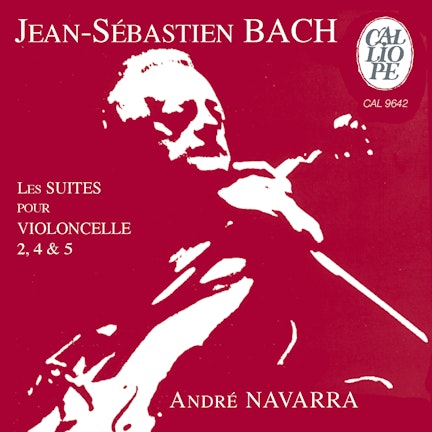
Bach: Les suites pour violoncelle 2, 4 & 5
Six Evolutions - Bach: Cello Suites
Bach: Suites for Solo Cello
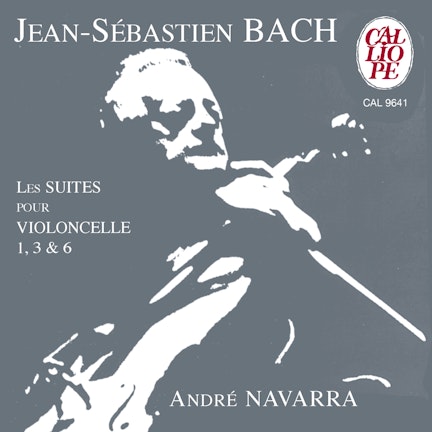
Bach: Les suites pour violoncelle 1, 3 & 6
J.S. Bach: The Cello Suites
Bach: Cello Suites No. 4-5, Vol. 2
Bach: Cello Suites
J.S. Bach: Come, Sweet Death (Arr. for 5 Cellos)
Bach, J.S.: Cello Suites Nos. 1-3, BWV 1007-1009 (Jordan) (A New Interpretation Based On Early Sources)
Bach: 6 Cello Suites
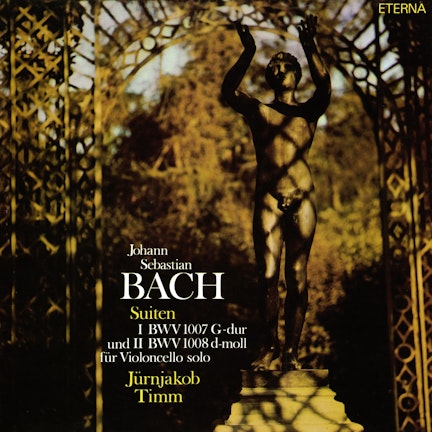
Bach: Suiten für Violoncello solo
Bach: Suites for Unaccompanied Cello (The Mercury Masters, Vol. 7)