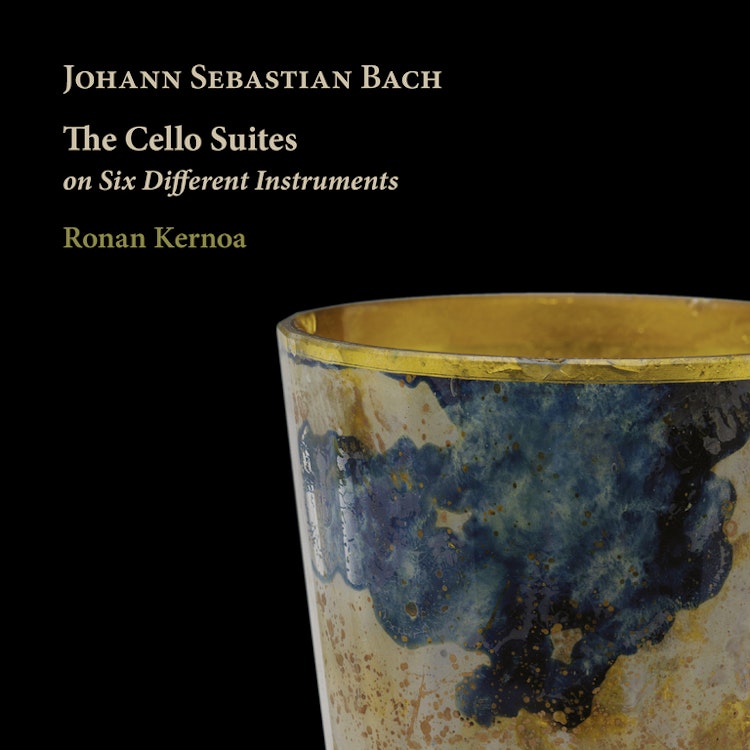
J. S. Bach: The Cello Suites on Six Different Instruments
10/10/2025, 36 Tracks, 2:29:19
Featuring
Ronan Kernoa
Johann Sebastian Bach
Did you know?
1/7
Notable Performances
Pablo Casals was the first cellist to perform individual suites in concert and made the first complete recording of the Suites between 1927 and 1939, significantly influencing their place in the repertoire.
Composition History
Bach's Cello Suites were likely composed between 1717 and 1723, during his time as Kapellmeister for Prince Leopold of Anhalt-Köthen.
Critical Reception
The Cello Suites were largely forgotten after Bach's death and were first printed in 1824, a century after their composition, often considered as studies rather than public performance pieces.
Compositional Technique
Bach's Cello Suites follow a consistent formal scheme, using the four movements (Allemande, Courante, Sarabande, Gigue) developed by Johann Jacob Froberger, with an additional pair of movements and a Prelude.
Instruments
The sixth Suite, BWV 1012, specifically requires a five-stringed instrument, with the fifth string tuned to e' above the A string.
Historical Context
The cello had only recently acquired its modern four-string format around Bach's time, largely due to Antonio Stradivari, and its use as a solo instrument was rare before 1720.
Interpretation
Performer Ronan Kernoa chose six different instruments for this recording, including treble viol, bass viols, and cello piccolos, to explore a 'narrative logic' within the Suites.