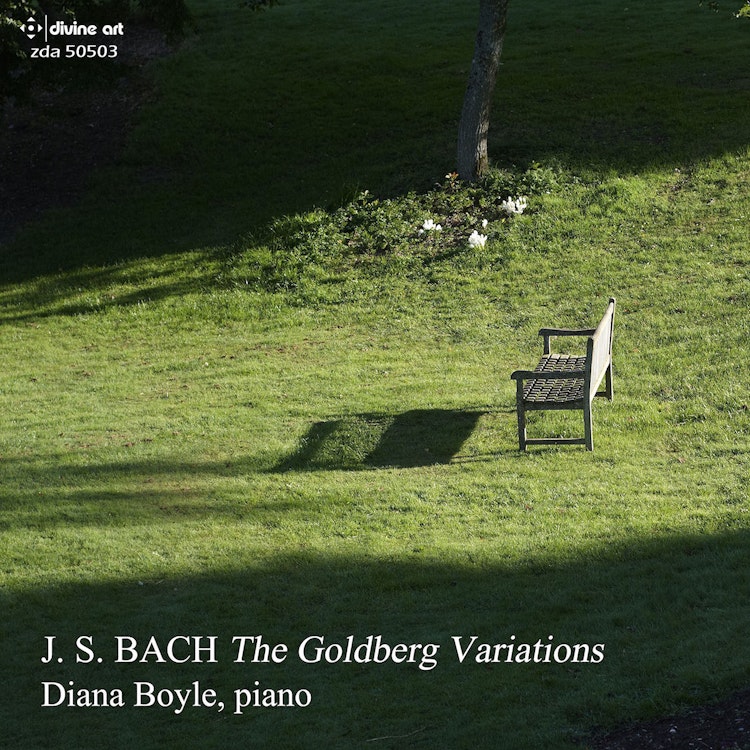
Diana Boyle, the pianist on this recording, studied with Artur Balsam in New York on a Fulbright Scholarship, and his musical insight was a pivotal influence on her life.
Compositional Technique
Unlike Handel's short eight-bar Aria, Bach's Aria consists of 32 bars, is highly ornamented, and its bass line forms the basis for the variations.
Composition History
The Goldberg Variations were published in 1741 but are thought to have been inspired by Bach's desire to improve upon a 1733 publication titled 'Aria with 64 Variations'.
Critical Reception
The Goldberg Variations remained a fairly esoteric work, with no recorded performances until the late 19th century, until Glenn Gould's pioneering 1955 recording on modern piano made it an icon.
Composition History
Bach's Goldberg Variations, formally titled 'Aria with diverse variations for a harpsichord with two manuals', is the final piece in his larger publication project, Clavierübung.
Composition History
The nickname 'Goldberg Variations' likely refers to Johann Gottlieb Goldberg, a 13-year-old student of Bach in Leipzig to whom the work was possibly dedicated.
Compositional Technique
In the Goldberg Variations, every third variation is a Canon, with the interval of the canon increasing by a step each time, from a unison to a ninth.
You might also enjoy...
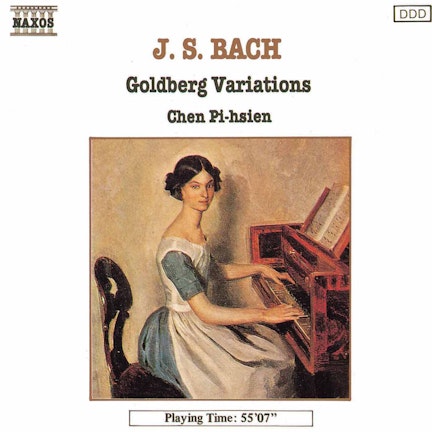
J. S. Bach: Goldberg Variations, BWV 988
Bach: Goldberg Variations, BWV 988
Bach, J.S.: Goldberg Variations, Bwv 988
Beethoven: Diabelli Variations, Op. 120
Beethoven: Diabelli Variations
J.S. Bach - Goldberg Variations BWV. 988 - Alexander Gurning
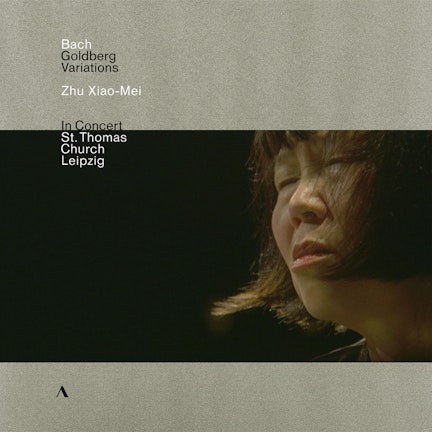
J. S. Bach: Goldberg Variations, BWV 988 (Live from St. Thomas Church)
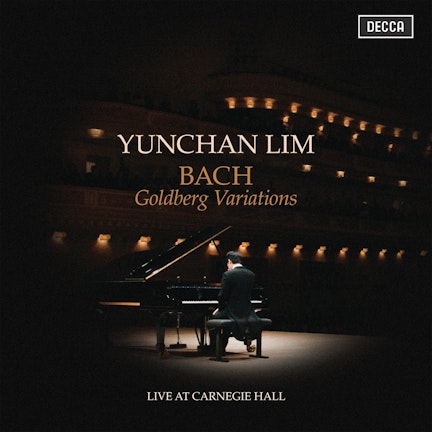
J.S. Bach: Goldberg Variations, BWV 988: Var. 3. Canone all'Unisono a 1 Clav. (Live at Carnegie Hall, New York, 2025)
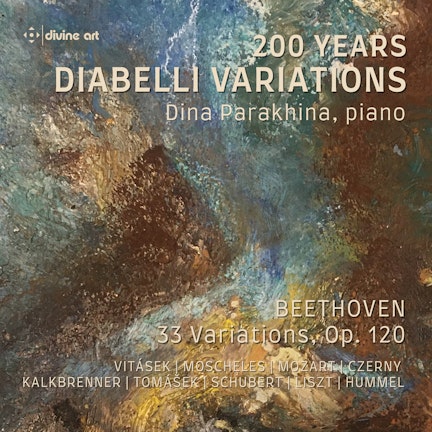
200 Years Diabelli Variations
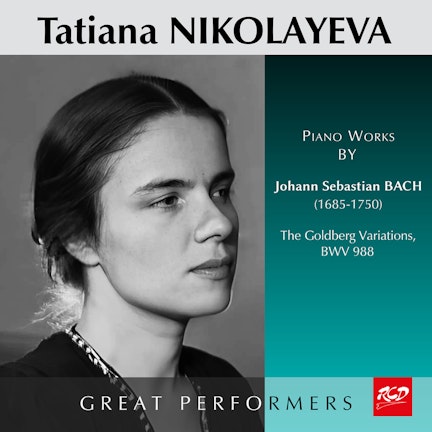
Tatiana Nikolayeva Plays Piano Works by J.S.Bach: The Goldberg Variations, BWV 988