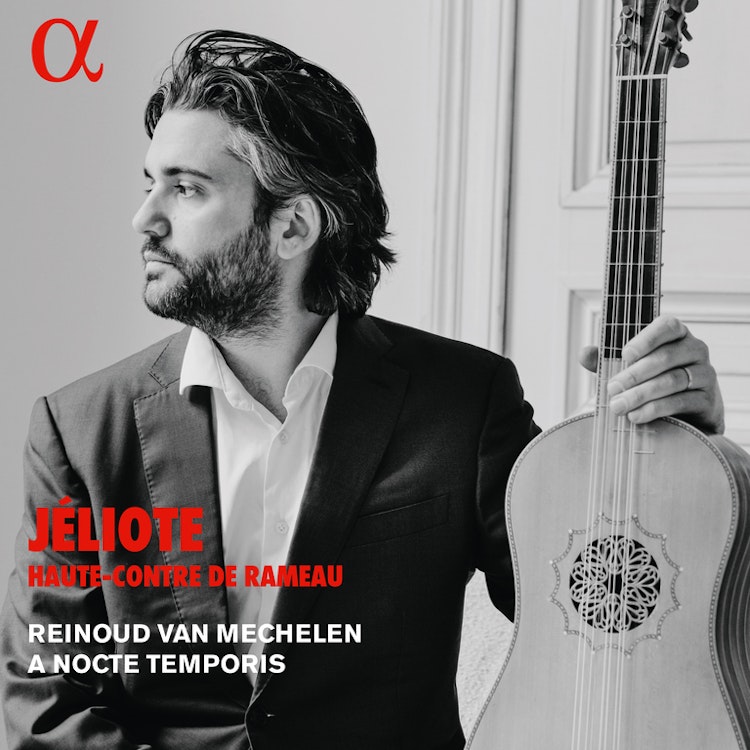
Jéliote's voice was praised for its volume, fullness, and 'piercing brilliance of its silvery timbre,' according to Marmontel.
Performer Biography
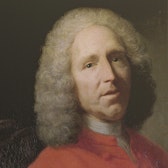
Pierre de Jéliote (1713-1797), the haute-contre featured on this album, was considered the finest of his time and made his debut at the Opéra in 1733.
Cultural Impact
Jéliote was considered such an essential part of the opera experience that 'People thought they had not been to the Opéra unless they had heard Jéliote'.
Critical Reception
When Jéliote announced his retirement in the mid-1750s, the public was so upset that they raised 48,000 livres to convince him to delay his departure.
Compositional Technique
Jéliote's unique vocal style blended elements of both the French tradition and Italian bel canto.
Composition History
Jéliote's career was significantly boosted by composer Jean-Philippe Rameau, who created roles specifically tailored for his voice.
Performer Biography
Jéliote was a versatile musician, not only a singer but also a violinist, cellist, and Maître de Guitare du Roi (King's Guitar Master) from 1745.
You might also enjoy...
Dumesny, haute-contre de Lully
Wagner Portrait
Reich mir die Hand, mein Leben - Opernduette
ARTE NOVA-Voices: Albert Dohmen
Wagner: Die Walküre & Tristan und Isolde (Excerpts), Siegfried Idyll
Purcell: Didon et Enée & The Tempest (Les indispensables de Diapason)