The recording of "Angelus" was produced with funding from The John Simon Guggenheim Foundation and support from Catherine and Paul Buttenwieser and Cynthia and John Reed.
Composition History
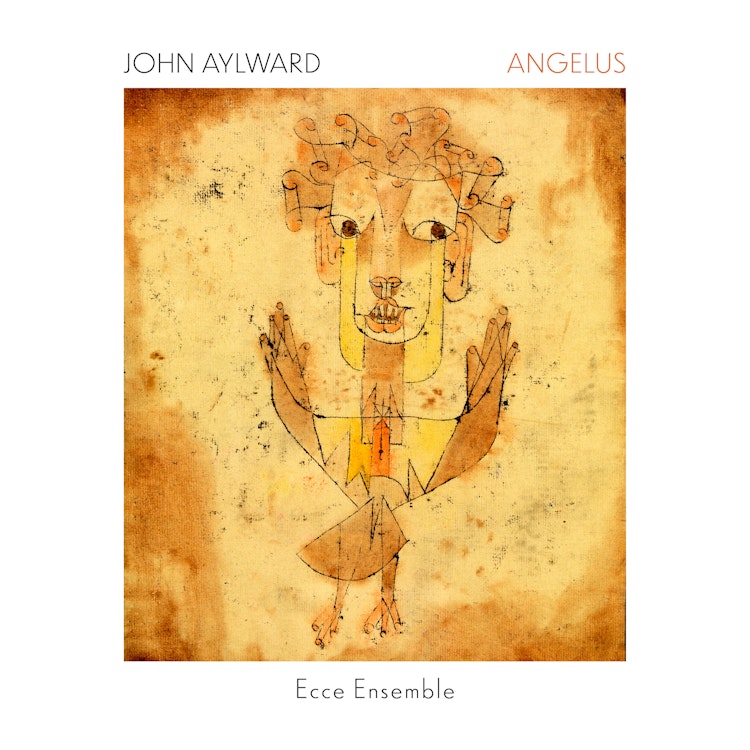
Composer John Aylward began writing "Angelus" in 2014 after viewing Paul Klee's painting "Angelus Novus" with his mother, a refugee from post-WWII Germany.
Composer's Artistic Vision
"Angelus" is a monodrama exploring life through various cultural histories, using a pastiche of authors to represent physical, psychological, and spiritual concerns.
Composer Biography
John Aylward, described as a composer of "wide intellectual curiosity," is influenced by modern and ancient literature, as well as his time in the deserts of Arizona and New Mexico.
Cultural Impact
Walter Benjamin's "Theses on the Philosophy of History," which includes commentary on the "Angelus Novus," was carried by Hannah Arendt (a political theorist) during her escape from Nazi persecution.
Compositional Technique
The work features a voice that is alternatively lyrical, didactic, ironic, bemused, inquisitive, contemplative, and ecstatic, often gliding and soaring in the stratosphere or sinking into noise.
Historical Context
The painting "Angelus Novus" by Paul Klee, which inspired this work, was considered Walter Benjamin's (a philosopher) "most important possession" and had a tumultuous journey through Nazi Europe.