The Requiem was performed at many significant funeral rites and memorial services, including those for King Louis XV of France, Christoph Willibald Gluck, and even the Introit for Rossini's funeral in 1868.
Critical Reception
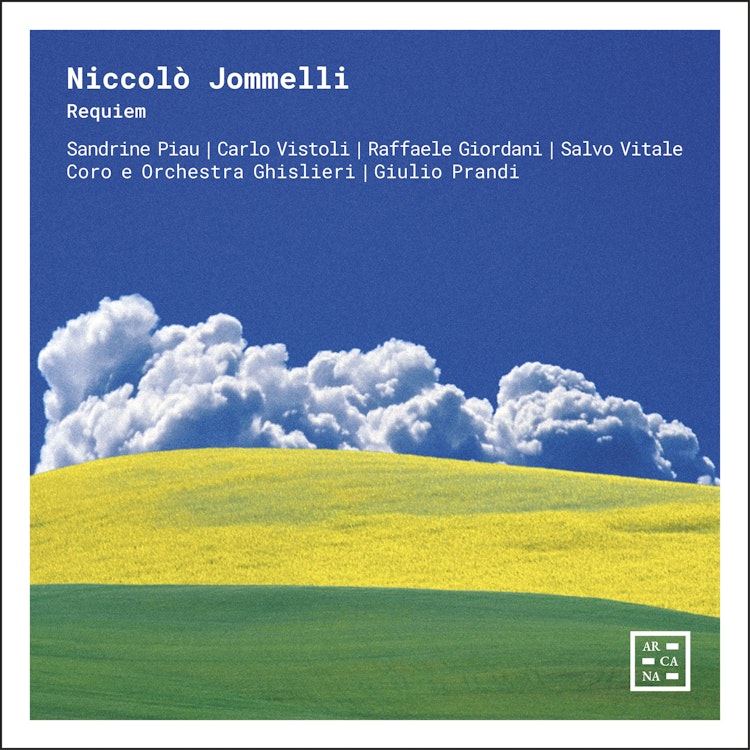
Jommelli's Requiem was widely popular in Europe, becoming the most popular Requiem until Mozart's, and was praised by figures like Stendhal and Abbé Vogler.
Compositional Technique
The Requiem is scored for solo strings, omitting wind instruments, in accordance with Pope Benedict XIV's encyclical Annus qui hunc (1749), and maintains a significant distance from the operatic style.
Composition History
Jommelli's Requiem was commissioned by Charles Eugene, Duke of Württemberg, for the funeral of his mother, Maria Augusta of Turn und Taxis, who died in 1756.
Composition History
The Requiem was composed very quickly, reportedly "in three days," due to the urgent circumstances of the commission.
Composer's Artistic Vision
Jommelli's Requiem conveys a message of profound consolation through its "luminous intimacy," beautiful singing style, and subtle narrative, rather than seeking to terrify or impress with spectacular effects.
Composer Biography
Niccolò Jommelli, the composer, was considered by Charles Burney to be the greatest living Italian composer, despite his appearance being "not unlike what I remember Handel to have been."