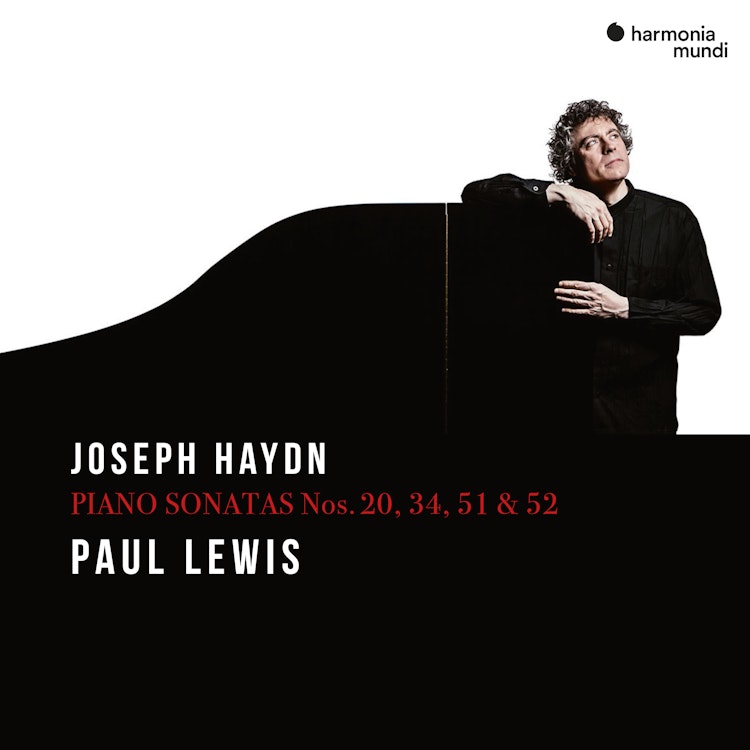
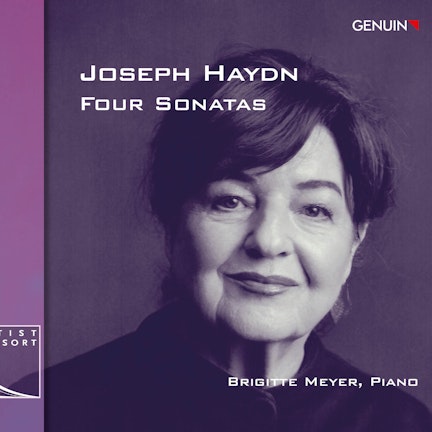
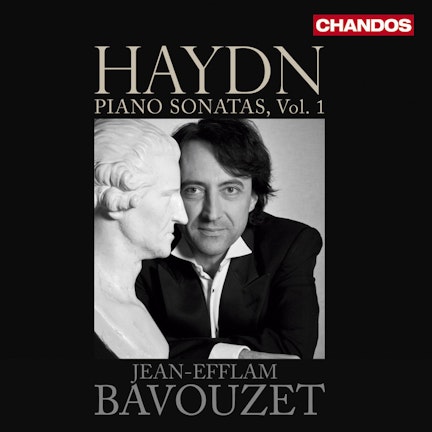
Haydn composed the Sonata in E flat major, Hob. XVI:52, in London in 1794 for Therese Jansen, a professional pianist trained by Muzio Clementi, and dedicated three of his piano trios to her as well.
Composition History
Haydn's Sonata in C minor, Hob. XVI:20, was published in April 1780 by Artaria in Vienna and dedicated to Katherina and Marianne Auenbrugger, two pianists in Viennese salons.
Composer Biography
Haydn began composing keyboard sonatas in the 1750s, with about twenty works of this type by the mid-1760s, though his authorship is not certain for all of them.
Composer's Artistic Vision
Haydn held the Auenbrugger sisters in high regard, stating that their 'genuine insight into music is equal to that of the greatest masters.'
Instruments
For the publication of the C minor Sonata, Haydn revised the work to allow for either 'Clavicembalo, o FortePiano' (harpsichord or fortepiano), whereas the autograph specified only 'Clavi Cembalo' (harpsichord).
Composer Biography
Haydn may have written the two-movement Sonata in D major, Hob. XVI:51, for Rebecca Schroeter, who was his piano student and later his lover during his first stay in England.
Compositional Technique
The Sonata in E flat major, Hob. XVI:52, is called a 'Grand Sonata' and bridges the gap between keyboard music and prestigious genres like the string quartet and symphony, with its symphonic opening and rich harmonic language.