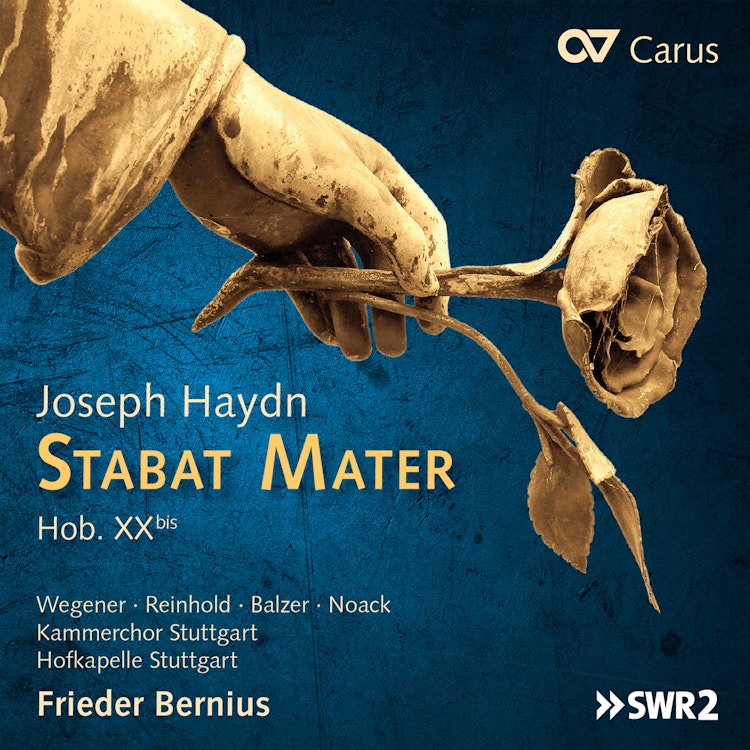
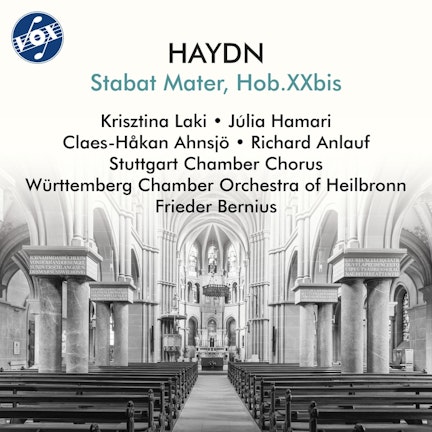
Joseph Haydn's Stabat Mater, composed in 1767, was his first major sacred vocal work and made him known as a church composer.
Recording & Production
This recording uses a new critical edition of the work (Carus 51.991) and follows Haydn's original instrumentation, rather than a later expanded version.
Compositional Technique
Haydn's Stabat Mater is scored for four soloists, four-part choir, two oboes/English horns, strings, and basso continuo, a lavish scoring compared to other 18th-century settings.
Cultural Impact
Haydn's Stabat Mater was widely performed during his lifetime, more so than any other of his vocal works, and was considered the epitome of Passion music well into the 19th century.
Notable Performances
The premiere of Haydn's Stabat Mater likely took place on Good Friday, April 17, 1767, in the Eisenstadt court chapel.
Critical Reception
Johann Adolph Hasse, a composer in imperial service, expressed 'unspeakable praise for this work' after studying the score of Haydn's Stabat Mater.
Composer's Artistic Vision
Haydn himself categorized his Stabat Mater as an 'oratorio' in his 1805 catalog, and it demonstrates the Classical ideal of 'unity in diversity'.
You might also enjoy...
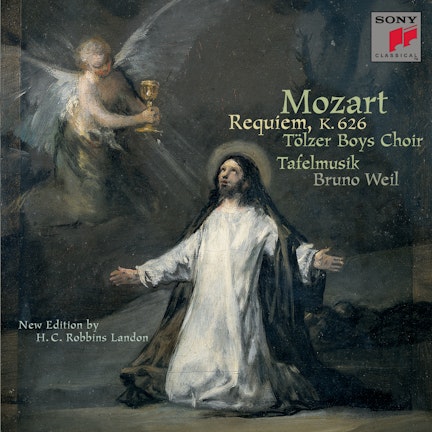
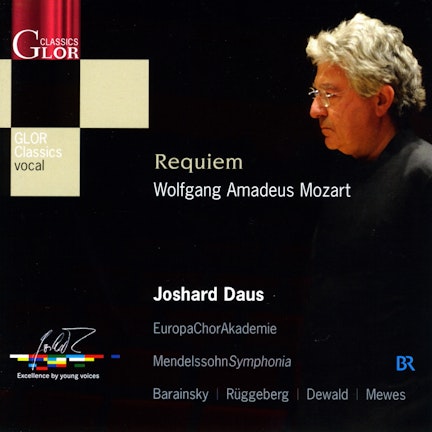
Mozart: Requiem, K. 626
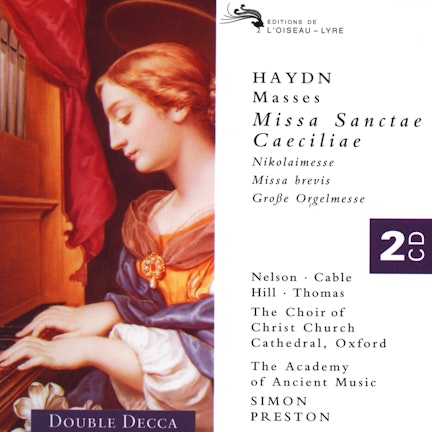
Haydn, F.J.: Mass No. 3, "Cacilienmesse"
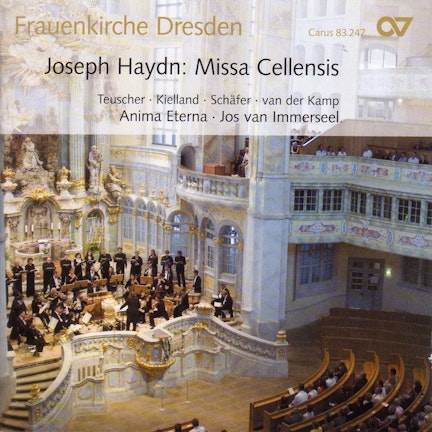
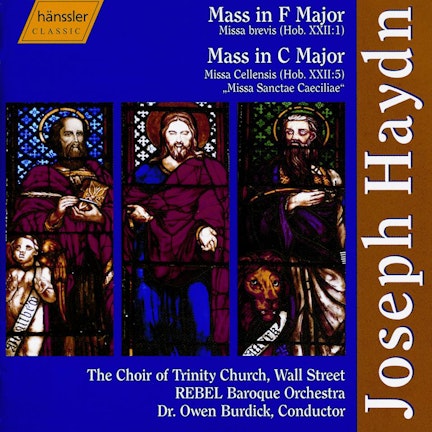
Haydn: Mass No. 2 in F Major, "Missa Brevis" / Mass No. 3 in C Major, "Missa Cellensis"