The pieces on this album are 'deplorations' or 'poetic memorials' (tombeaux), a new artistic trend at the end of the 15th century where poets mourned musicians and vice-versa.
Historical Context
The works on this album reflect a tranquil period in religious musical practices just before the confessional disturbances associated with the rise of the Reformation.
Composer's Artistic Vision
Josquin des Prez, the primary composer on this album, and other 'Grands Rhétoriqueurs' (Great rhetoricians) poets, navigated a new era marked by the development of the printed book and the Reformation.
Compositional Technique
Nicolas Gombert, a composer who mourned Josquin, paid homage to him in his piece 'Musae Jovis' by reusing Josquin's tenor melody 'Circumdederunt me' and lowering it by a semitone, a subtle musical reference for initiates.
Compositional Technique
Many pieces on this album combine poetic lamentation with ritual melody, often by incorporating a plainchant voice (tenor) like the 'Requiem aeternam' within the polyphonic structure.
Compositional Technique
In Josquin's 'Nymphes des bois', the score was transmitted in deliberately blackened notation, a visual symbol of mourning for the singers that is not audible to the listener.
You might also enjoy...
Lambert de Sayve: Ad Vesperas
Love Divine: Renaissance & Contemporary Choral Works
Choral Masterpieces Of The Renaissance
Da Vinci - Music from his Time
Josquin Desprez: Motets
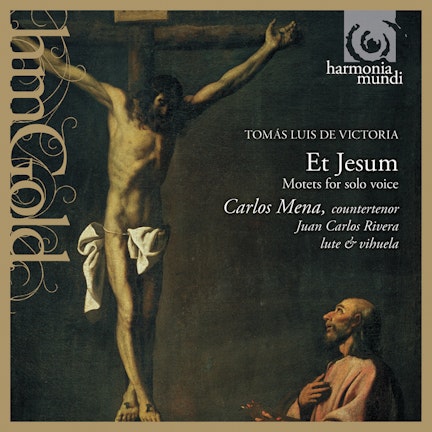
Victoria: Et Jesum, Motets for solo voice
Renaissance Masterpieces
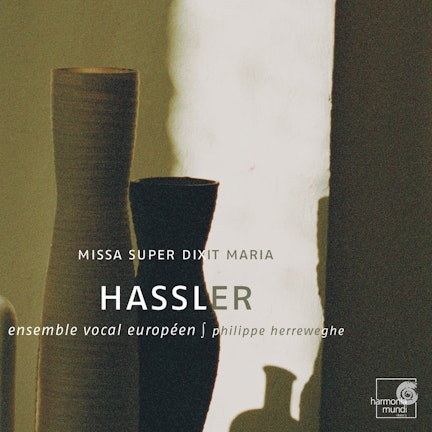
Hassler: Missa super dixit Maria
Queen of Hearts: Laments and Songs of Regret for Queens Terrestrial and Celestial
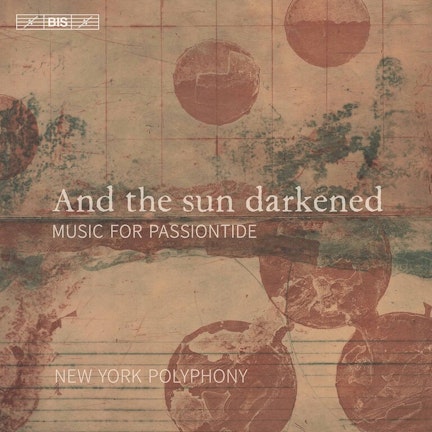
And the Sun Darkened: Music for Passiontide
High Renaissance: Choral Polyphony from the Low Countries