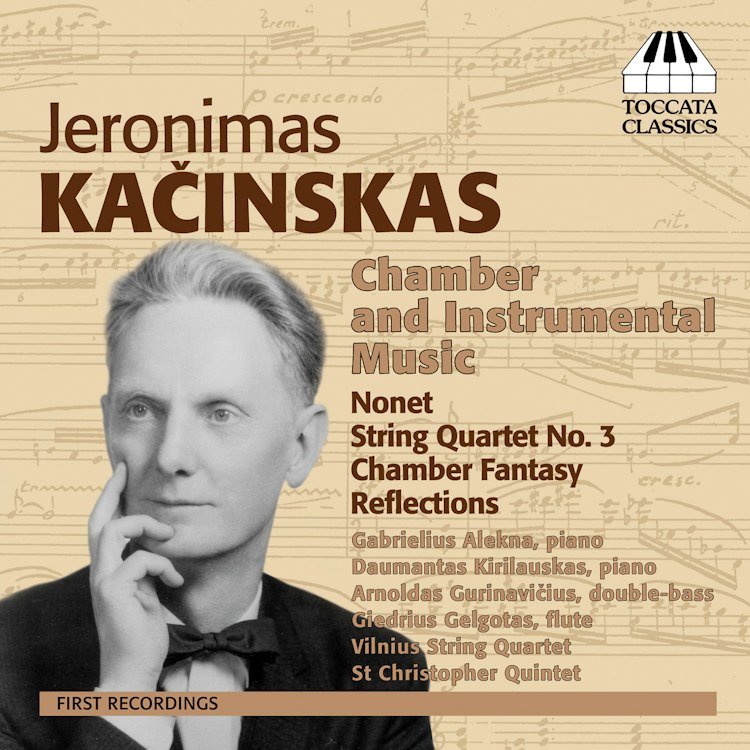
Kačinskas was strongly influenced by Alois Hába, a Czech composer known for microtonal and athematic music, and quickly mastered quarter-tone music and athematic style.
Historical Context
After the Soviet occupation of Lithuania in 1944, Kačinskas moved to the west, settling in Boston, where he continued his work as an organist, conductor, and composer.
Cultural Impact
During Soviet times, Kačinskas's name was removed from national cultural records, but his influence as an exiled artist indirectly shaped Lithuanian composition for decades.
Composer Biography
Jeronimas Kačinskas, a Lithuanian composer and conductor, was considered an icon of Lithuanian modernism in the first half of the twentieth century.
Composer Biography
Kačinskas lived to see Lithuania's rebirth and returned to witness his compositions performed by fellow Lithuanians.
Critical Reception
Kačinskas's atonal and athematic music was often too innovative for his Lithuanian audiences, who valued him more as a conductor.
Composer's Artistic Vision
Kačinskas believed a composer should express an individual, not collective, consciousness, and he supported an open society, seeking to integrate Lithuanian musical life into Western European art-music.
You might also enjoy...
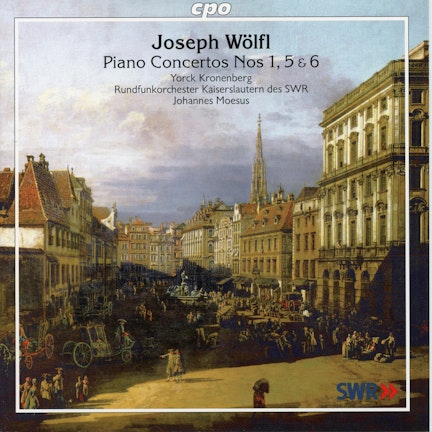
Wölfl: Piano Concertos
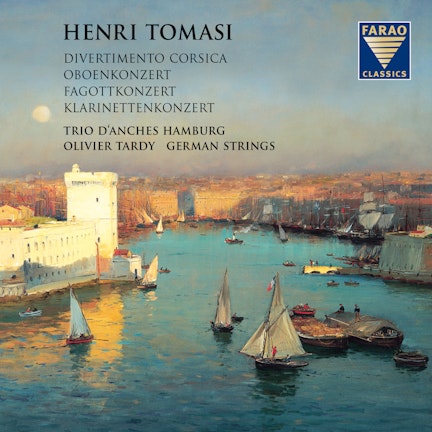
Henri Tomasi: Concertos for woodwind instruments
Széchényi: Complete Dances for Orchestra
Metal Cicadas: New Music for Violin & Cello Performed by Duo XXI
First Symphony
Anatomías
Aulin: Master Olof Suite, 4 Swedish Dances & 3 Dances from Gotland