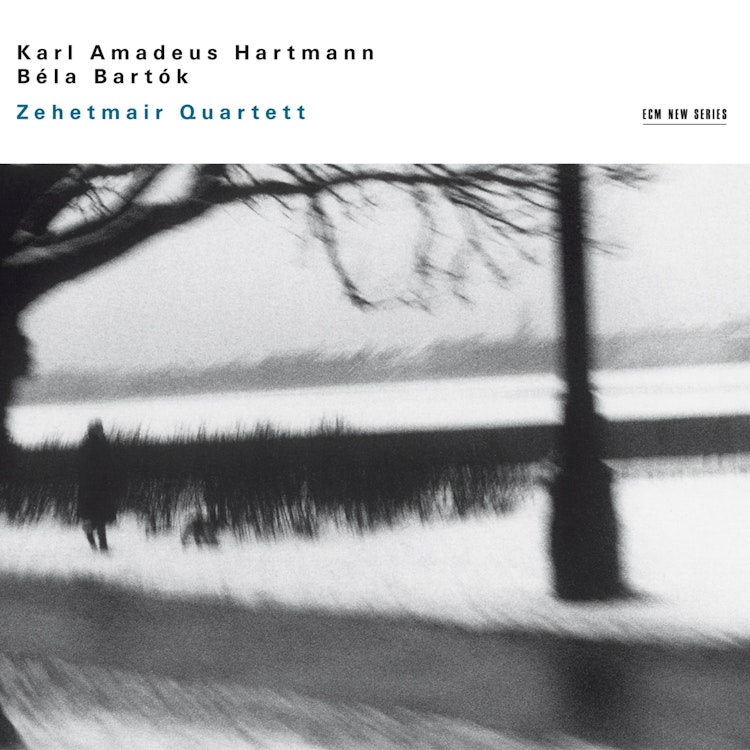
Karl Amadeus Hartmann, who studied with Joseph Haas in Munich, removed earlier works from his catalog shortly before his death and declared his First String Quartet as his Opus 1.
Composer's Artistic Vision
For both Bartók and Hartmann, the 'humane gesture in a social context' formed the foundation of their musical languages.
Composer's Artistic Vision
Béla Bartók aimed to create a strong synthesis between classical European art music tradition and authentic folk music, particularly from Eastern Europe.
Composition History
The Lyric Suite by Alban Berg, written in 1926 and premiered in Vienna in 1927, served as a new benchmark and impetus for both Bartók and Hartmann.
Notable Performances
The Végh Quartet premiered Hartmann's First String Quartet in 1936 and later performed all of Bartók's string quartets at Hartmann's invitation for the 'musica viva' concerts in Munich.
Composition History
Hartmann's First Quartet was the first work he composed knowing it would not be performed in Germany for an indefinite period, due to the political climate before the Nazi takeover.
Historical Context
Béla Bartók's Fourth String Quartet was written in the aftermath of World War I, while Karl Amadeus Hartmann's First String Quartet was composed in the prelude to World War II.