Georg Caspar Schürmann's 1726 opera Ludovicus Pius, oder Ludwig der Fromme, was directly inspired by the history of the early Carolingians and incorporated passages from Carl Heinrich Graun and ballets by Campra and Destouches.
Compositional Technique
Contrary to operatic codes in France and some Italian cities, leading roles in northern European opera were often entrusted to the baritone, with rich contrasts and demanding ornamental agility.
Composition History
Johann David Heinichen's 1717 oratorio La pace di Kamberga was inspired by a secret medieval episode where Rudolf I of Habsburg and Ottokar II, King of Bohemia, made peace on an island in the Danube.
Composer Biography
Attilio Ariosti, an Italian composer and deacon, was discovered by the Duke of Mantua for his musical gifts and later served Sophia Charlotte of Hanover in Berlin.
Composer Biography
Reinhard Keiser, a leading opera composer, introduced the use of horns at the Hamburg Opera in his 1705 work, Octavia.
Composer Biography
Johan Helmich Roman, considered the father of Swedish music, was the first Swedish composer to set the vernacular to music and to be trained outside Scandinavia, studying in London with Attilio Ariosti and Johann Christoph Pepusch.
Album & Artwork
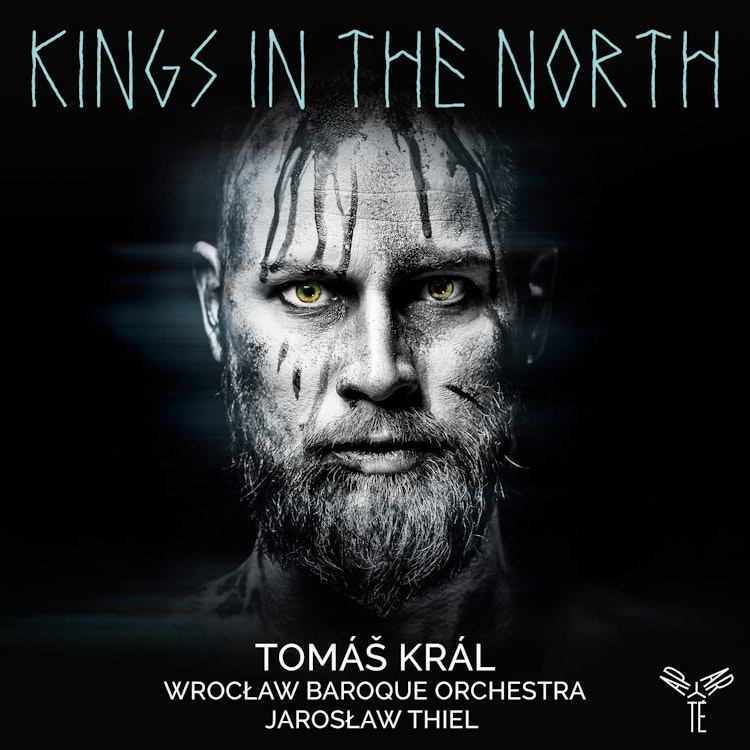
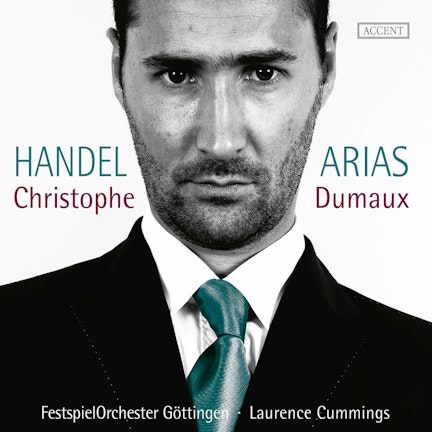
The album title, "Kings in the North," refers to both the famous composers from northern Europe featured on the album and the European rulers and lords sung by the baritone.