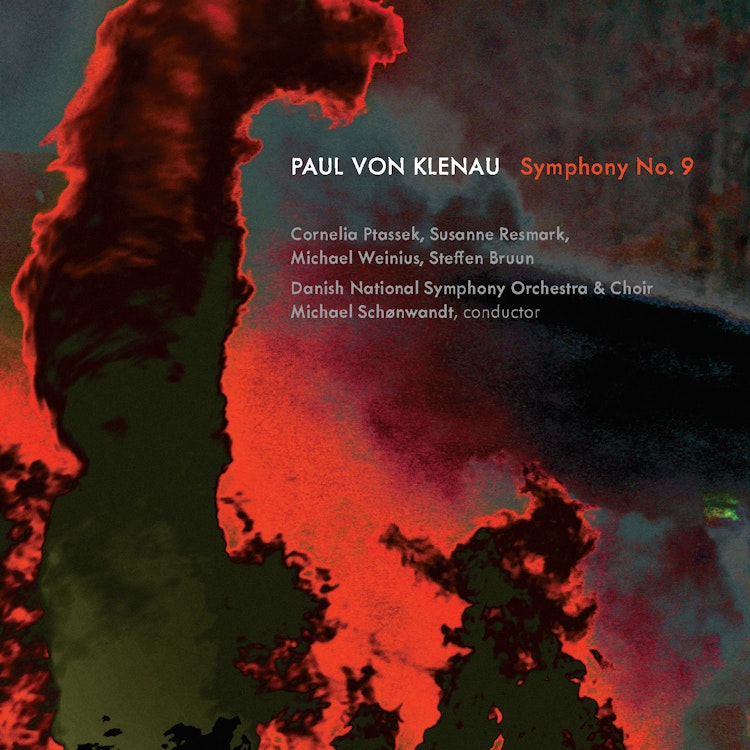
Paul von Klenau's Ninth Symphony, his last major work, was completed in 1945, six months before his death in 1946.
Compositional Technique
The symphony's tonal language blends traditional tonal passages with atonal and twelve-tone sections, reflecting Klenau's German roots and differing from the prevailing Danish style of the 1940s.
Composition History
The manuscript for Klenau's Ninth Symphony remained unknown for over 50 years until its discovery in 2001 among a collection of his works at his grandchild's home in Vienna.
Critical Reception
The first performance of Klenau's Ninth Symphony in March 2014 reignited discussions about his political stance and his relationship with Nazism.
Composition History
Klenau's Ninth Symphony is an unusual fusion of a four-movement requiem with a traditional four-movement symphony, featuring eight movements for orchestra, choir, and four soloists.
Historical Context
Klenau's association with Nazi cultural policy and his continued contacts with German and Austrian friends during and after World War II led to a 'chequered reputation' in Denmark.
Composer Biography
Paul von Klenau left Denmark as a young man to study and establish himself in Germany, where he became a well-known composer and conductor.
You might also enjoy...
Lundquist: Suites for Orchestra
Czerny: Die Macht des Gesanges
Kerry Turner Horn Concerto
Selja
Shchedrin: Anna Karenina
Haiying Li: Our Sun Yat-sen
Richard Yardumian: Come, Creator Spirit
Glaciers in Extinction
Domínguez: The Legend of Joaquín Murieta
Ryelandt: Agnus Dei, Op. 56
Missa Solis: Requiem For Eli
Martin Stauning: Harp Concerto (Live)
Leifs: Edda, Pt. 2, Op. 42 "The Lives of the Gods"