Komitas, born Soghomon Gevorgi Soghomonian, was orphaned at a young age and was known as the 'little vagrant singer' in his hometown.
Compositional Technique
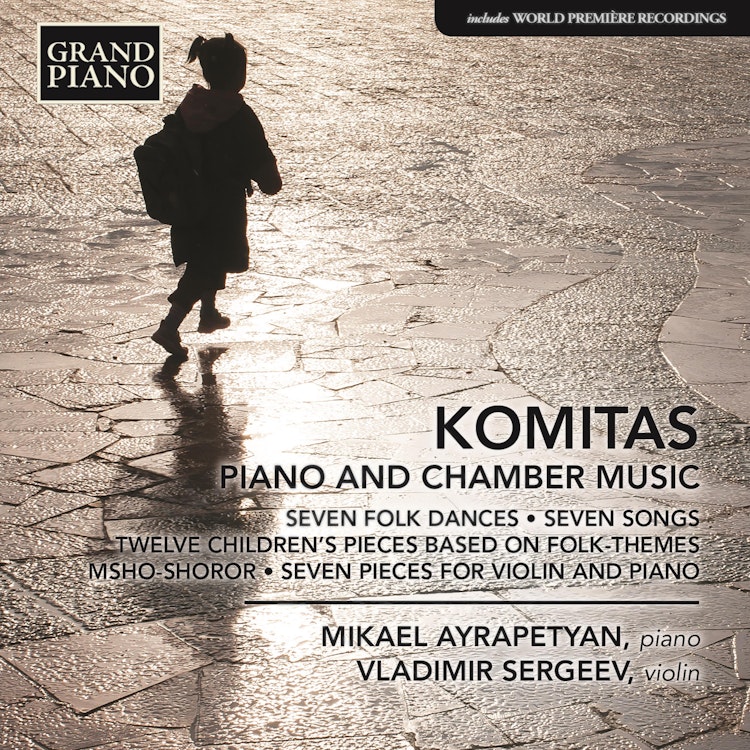
In his Seven Folk Dances, Komitas sought to recreate the specific timbres of Armenian instruments like the dap (tambourine), tar (plucked string instrument), shvi (shepherd's reed pipe), and dhol (hand-held percussion) in his piano writing.
Historical Context
Komitas was among hundreds of Armenian intellectuals arrested during the Armenian Genocide in 1915, and though released, suffered severe post-traumatic stress and depression until his death in 1935.
Recording & Production
This album features world premiere recordings of several pieces, including the Seven Songs for Piano and the Seven Pieces for Violin and Piano.
Performer Biography
Mikael Ayrapetyan, the pianist on this album, is actively engaged in popularizing Armenian classical music, organizing concerts and acting as producer and art director for these performances.
Composer Biography
Komitas was selected for a church seminary despite not speaking Armenian, his native language being Turkish, but impressed with his singing voice.
Composer's Artistic Vision
Komitas dedicated much of his life to exploring and understanding Armenian folk music, believing one must deeply know the people's history and daily life to remake their folk songs.
You might also enjoy...
Hubay: Violin and Piano Works, Vol. 9 - Fantasie Hongroise / Atair / Nocturnes
Vecsey: Works for Violin and Piano
Violin Fantasies
Jascha Heifetz Collection, Vol. 5: The 1911 Russian Recordings
Mosaic
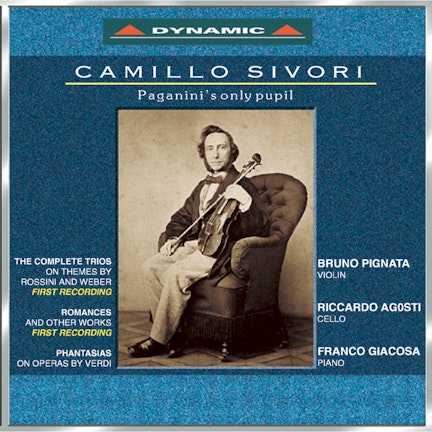
Sivori: Works for Violin and Piano
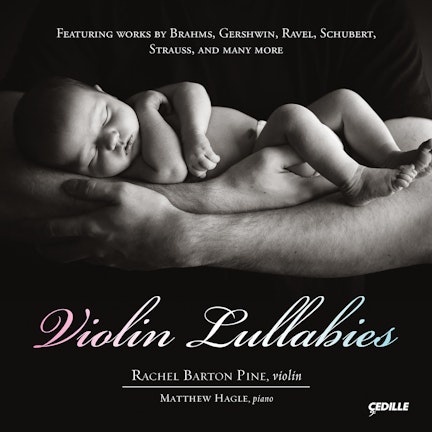
Violin Lullabies
Dvorak/smetana: Violin Works
Perlman plays Dvorák & Smetana
Mendelssohn: Lieder Ohne Worte (Songs Without Words)
Nordic Violin Music
Dvorak, A.: Song Transcriptions for Violin/Viola and Piano