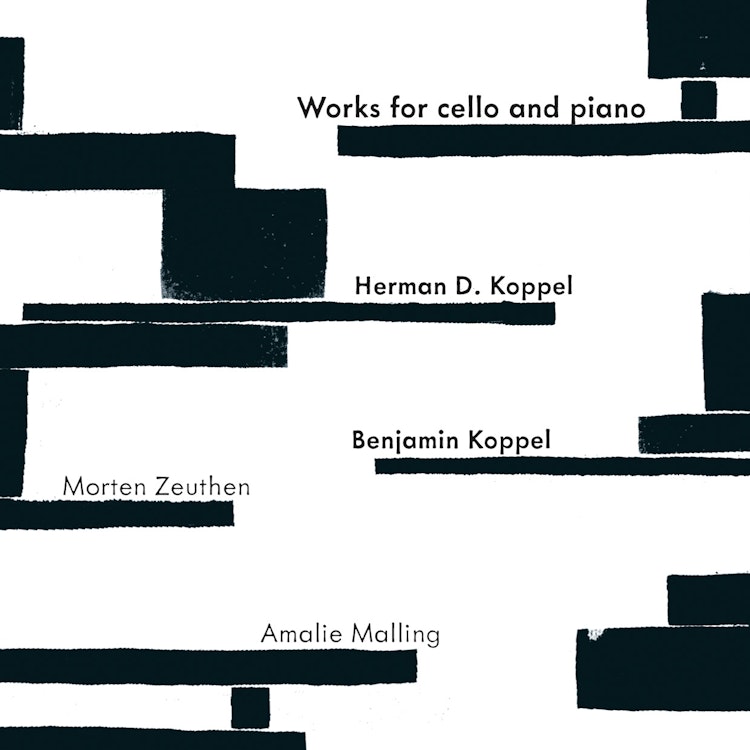
The slow middle movements of both Herman D. Koppel's "Ternio" and Cello Sonata are passacaglias, a form that conveys warmth and seriousness through a predetermined bass line.
Historical Context
Before 1950, no well-known Danish composers, including Carl Nielsen, Rued Langgaard, Niels W. Gade, J.P.E. Hartmann, or Friedrich Kuhlau, wrote any significant works for the cello.
Album & Artwork
The album includes a new composition by Benjamin Koppel, Herman D. Koppel's grandson and a jazz musician, which is based on Herman's solo cello work "Introduction, Theme with Variations and Epilogue."
Composer Biography
Herman D. Koppel was a prominent Danish pianist, and his skill on the instrument is evident in the excellent piano parts of the works on this album.
Critical Reception
Herman D. Koppel's Cello Sonata, Op. 62, premiered in Copenhagen, was highly praised by critics, with one newspaper calling it "a source of real joy" and another stating it was an excellent representation of Danish musical culture.
Composer Biography
Herman D. Koppel, late in his life, studied and performed all of Schoenberg's solo piano works at the age of 71, demonstrating his continued interest in twelve-tone technique.
Composition History
Herman D. Koppel's work "Ternio" was originally composed for violin and piano, but he later stated it was better suited for the cello.
You might also enjoy...
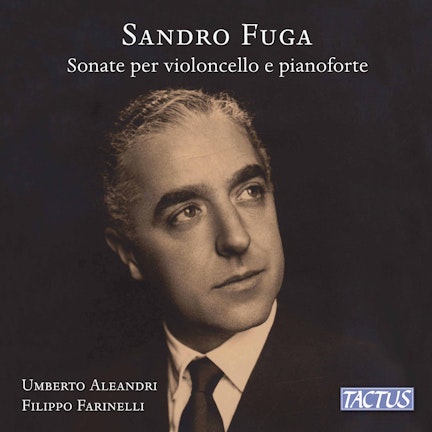
Sandro Fuga: Cello Sonatas
Rontgen, J.: Cello Sonatas - C Minor / G Minor / B Minor
Hindemith: Complete Music for Cello and Piano
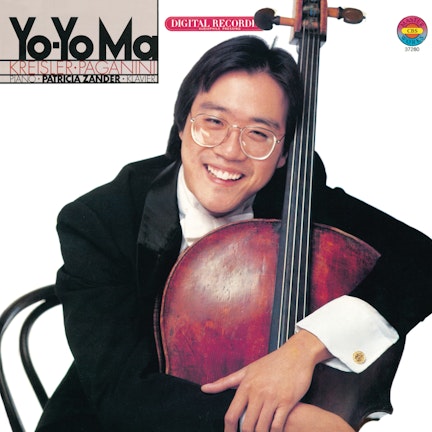
Kreisler, Paganini: Works (Remastered)
Rachmaninoff: Cello Sonata, Op. 19 & Romances
David Popper: Complete Transcriptions for Violoncello & Piano
Tcherepnin: Cello Works
Mstislav Rostropovich Plays Cello Works by Brahms / Debussy / Popper / Saint-Saëns and Scriabin
Mendelssohn: Works for Piano & Violoncello
Reinecke: Complete Works for Cello & Piano
RISE · Revolutionary Russian Cello Music
Franck & Demus: Sonatas for Cello and Piano (Live)
Strauss, R.: Cello Sonata in F Major / Sibelius, J.: Malinconia / Rautio, M.: Divertimento I / Schumann, R.: 5 Pieces in Folk Style