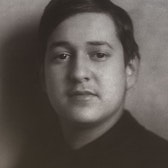
Erich Wolfgang Korngold, the composer, was considered a child prodigy, impressing Gustav Mahler at age nine with his compositions.
Critical Reception
Die tote Stadt was banned in Austria and Germany under the Nazis and fell out of fashion, only to be gradually restored to acclaim starting in Berlin in the 1980s.
Compositional Technique
The opera's most famous duet, 'Glück, das mir verblieb' (My happiness that remained), occurs in Act I, where the character Paul imagines his dead wife Marie singing it.
Composer's Artistic Vision
The libretto for Die tote Stadt, co-written by Korngold and his father (under the pseudonym Paul Schott), changed the novel's ending to be more optimistic and dream-based, reflecting the influence of Sigmund Freud's theories.
Historical Context
Die tote Stadt premiered in 1920, in a Europe devastated by World War I and the destruction of empires, with its premiere cities, Hamburg and Cologne, occupied by Allied forces.
Interpretation
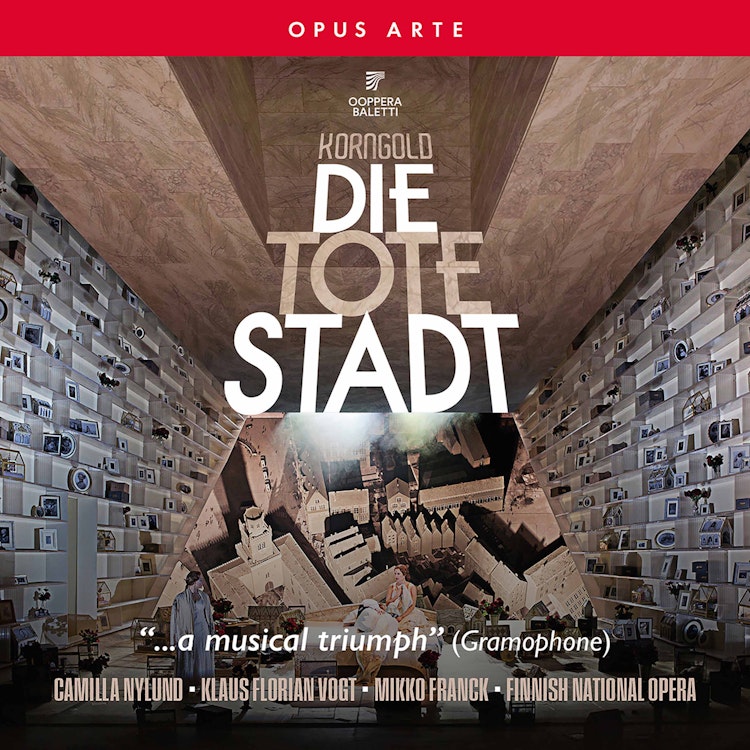
This production, directed by Kasper Holten, clarifies Paul's erratic behavior by casting Marie as a mute character on stage throughout all three acts.
Composition History
Korngold was only 23 years old when he composed Die tote Stadt, his third opera, based on the novel Bruges-la-Morte.