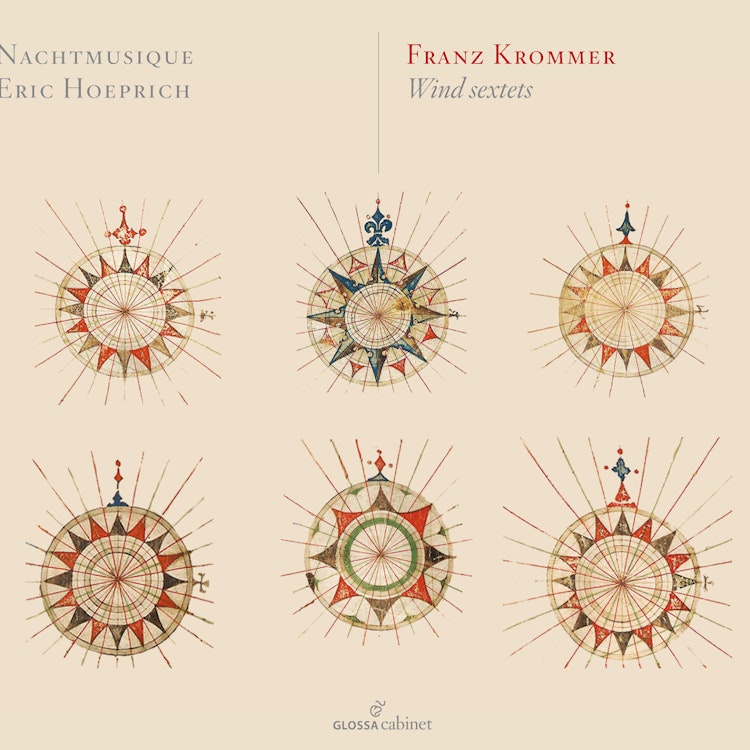
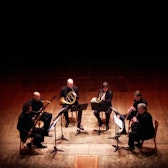
The vogue for wind bands, or Harmonie, though short-lived (30-40 years), flourished with great intensity, making it essential for composers of standing to write for wind sextet and octet.
Composer Biography
Franz Krommer, the composer featured on this album, settled in Vienna in 1795 after a career that included roles as teacher, concertmaster, and organist in various Bohemian courts.
Instruments
The instruments used in Krommer's time, such as woodwinds with fewer keys and valveless horns, allowed for a wide variety of timbres and colors.
Recording & Production
Half of the instruments used in this recording are period instruments, and the other half are reproductions based on examples from around 1800.
Composer's Artistic Vision
Krommer was primarily an instrumental composer, with only two vocal works (both masses) surviving, and his wind compositions demonstrate a natural feeling for Harmoniemusik.
Compositional Technique
Krommer often incorporated folk music elements like hunting horn calls, drones, and clock imitations into his compositions, alongside 18th-century compositional techniques.
Historical Context
The creation of the Kaiserlich Königlich Harmonie (a wind octet) by Emperor Joseph II in 1782 elevated the wind ensemble repertoire to a status similar to the string quartet.
You might also enjoy...
Skylines
Les Vents Français - Winds & Piano
Simon: 22 Little pieces for ensemble - Quartet in Sonatina Form
Éclats romantiques
Quartet at the Crossroads
Witt: Chamber Works for Winds & Strings
Bossi: Opera completa per violoncello e pianoforte - Opera completa per violino e pianoforte, Vol. 1